Document · English
Draft roadmap for AI integration, 2025–2027
Download originalRoadmap for AI Integration
2025 - 2027
• First Draft -
submitted to the workshop of the
Ministry of Education and Science of the Republic of Tajikistan
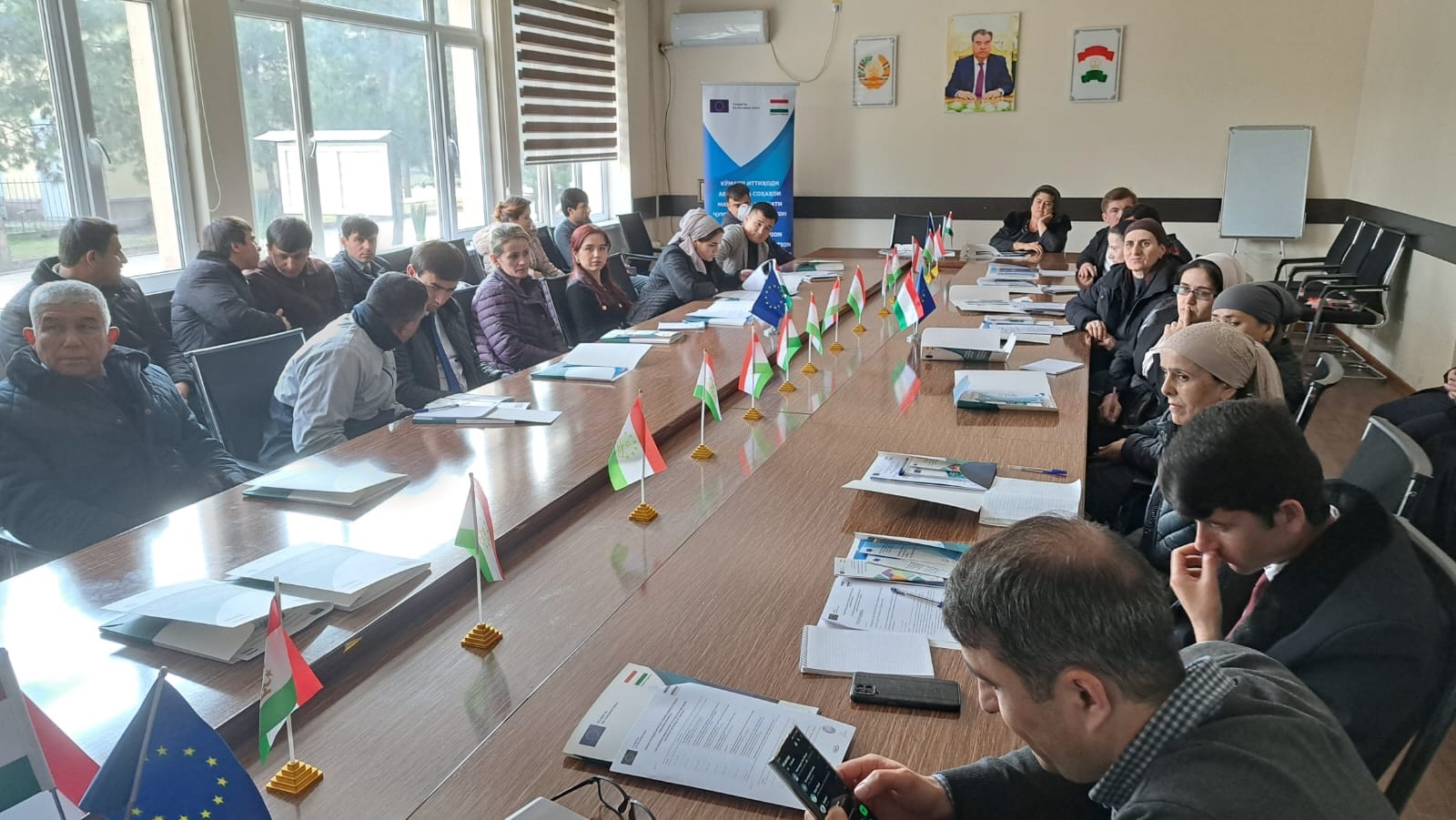
Building Leadership Capacity for AI Integration
Sarob, Republic of Tajikistan
17 – 18 May 2025
Contact Information:
📧 info_qesp2pro@eductrade.com
🌐 https://maorif.tj/projects/qesp2/news
This publication was produced with the financial support of the European Union. Its contents are the sole responsibility of the consortium led by Eductrade and do not necessarily reflect the views of the European Union.
• Executive Summary
The integration of Artificial Intelligence (AI) into public administration presents both significant opportunities and complex challenges. For the Ministry of Education and Science (MoES) of the Republic of Tajikistan, strategically harnessing AI can enhance institutional leadership, improve policy formulation, streamline strategic oversight, and optimize internal operations. This report outlines a strategic roadmap focused on low-cost, high-impact interventions designed to build the MoES's capacity to act as a competent steward of AI adoption.
The scope of this roadmap is confined to the internal capacity building of the MoES, excluding broader systemic applications across the general education or Technical and Vocational Education and Training (TVET) systems. The recommendations prioritize feasibility under existing or marginally increased budget allocations, emphasizing sustainability, institutional ownership, and alignment with Tajikistan’s National Strategy for the Development of Artificial Intelligence until 2040 (National AI Strategy 2040), the Quality Education Support Project II (QESP II) outcomes, and relevant EU compliance frameworks.
This document begins by assessing the current institutional landscape of the MoES, identifying key departments and existing capacities relevant to AI integration. It then proposes a strategic framework, outlining a vision for AI within the Ministry and guiding principles for its adoption. The core of the report details a typology of low-cost, high-impact interventions for leadership capacity building, addressing identified gaps and leveraging enabling factors. A phased roadmap for 2025-2027, including policy recommendations and an implementation matrix, provides a concrete action plan. Finally, the report addresses strategies for ensuring long-term sustainability, institutional ownership, and continuous alignment with the evolving AI landscape and international standards.
Table of Contents
Executive Summary 2
Current Institutional Landscape of MoES Tajikistan 4
A. Overview of MoES Structure and Mandate 4
B. Identification of Key Departments for AI Integration 4
C. Existing Human Resource Capacity and Digital Literacy 5
D. Current Technology Governance and Digital Innovation Practices 5
Strategic Framework for AI Integration in MoES 7
A. Vision for AI in MoES: Enhancing Institutional Leadership 7
B. Guiding Principles for AI Integration (Low-Cost, High-Impact, Ethical) 7
C. Alignment with National Strategies and International Frameworks 8
Capacity Building for AI Leadership 10
A. Typology of Recommended Interventions 10
B. Addressing Capacity Gaps and Enabling Factors 11
Roadmap Framework and Implementation Plan (2025-2027) 15
A. Phase 1 (2025): Foundational Capacity Building and Awareness 15
B. Phase 2 (2026): Piloting and Functional Realignment 16
C. Phase 3 (2027): Scaling Up and Embedding AI Governance 16
D. Policy Recommendations 17
E. Implementation Matrix 19
V. Ensuring Sustainability and Future Readiness 22
A. Strategies for Institutional Ownership and Long-Term Capacity Development 22
B. Alignment with EU Compliance Frameworks and Evolving AI Landscape 23
Conclusion 24
• Current Institutional Landscape of MoES Tajikistan
Understanding the existing structures, capacities, and practices within the MoES is crucial for developing a targeted and effective AI integration roadmap. This section provides an overview of the Ministry's mandate, identifies key departments relevant to AI, assesses current human resource capacity and digital literacy, and reviews existing technology governance and digital innovation practices.
A. Overview of MoES Structure and Mandate
The Ministry of Education and Science of the Republic of Tajikistan serves as the central executive authority responsible for the development and implementation of State policy and the regulation of legal norms in the field of education. Established initially as the Commissariat of Public Education of the Tajik SSR in 1924, it underwent several transformations before becoming the Ministry of Education and Science in 2013, at which point issues related to promoting scientific policy were incorporated into its scope from the Academy of Sciences.7
The main functions of the MoES include the creation of a regulatory and legal space for the smooth operation of educational institutions, the training of specialists in the field of education, and ensuring education coverage for school-age children. The Constitution, laws, and decrees of the Republic of Tajikistan guide the Ministry's activities. Its operational areas span preschool, secondary, and higher professional and postgraduate education, as well as science and innovation.
B. Identification of Key Departments for AI Integration
Within the MoES structure, several departments appear particularly relevant for driving AI integration and governance, based on their general mandates. An organizational chart from March 2022 indicates the presence of a Science and Innovation Department, an Economy and Planning Department, and an International Affairs Department, each falling under different Deputy Ministers. While detailed functional descriptions specifically concerning technology governance, data, and strategic AI planning for these departments are not explicitly available in the reviewed documents, their nomenclature suggests inherent roles.
The Science and Innovation Department is logically central to AI adoption, given the Ministry's expanded mandate since 2013 to include the promotion of scientific policy and innovation.7 Regulations concerning laboratories within scientific or higher education institutions highlight activities like scientific research, innovation, and personnel training, suggesting a framework where AI-related initiatives could be anchored. The President of Tajikistan has also emphasized the importance of innovation and digitalization, leading to the establishment of the Agency for Innovation and Digital Technologies under the President, indicating a national priority that the Science and Innovation Department within MoES would likely engage with.
The Economy and Planning Department would be crucial for integrating AI into strategic planning processes and for assessing the economic implications and resource allocation for AI initiatives, aligning with national goals for economic development through technology. The International Affairs Department could play a role in fostering partnerships, learning from international best practices in AI in education governance, and ensuring alignment with international frameworks like those from the EU.8
C. Existing Human Resource Capacity and Digital Literacy
The MoES is tasked with the training of specialists in education, and there is a recognized need to improve the use of modern technologies by educators and within the educational process generally. However, significant challenges exist regarding the foundational digital literacy and infrastructure necessary for widespread AI adoption. Reports indicate that schools, particularly in rural areas, suffer from inadequate ICT infrastructure, including a lack of computers and high-speed internet, which inherently limits opportunities for students and staff to develop digital skills. For instance, in 2022/23, only 16% of schools in Tajikistan had internet access. While the National Strategy for Education Development until 2030 (NSED 2030) mentions expanding distance learning, its focus on internet access is primarily for higher education.
The QESP II project aims to support capacity building for MoES staff involved in curriculum development, teacher training, blended learning, and related areas. This initiative, along with the GPE Technology for Education Technical Assistance Initiative (Tech4Ed TAI), directly targets strengthening MoES capacity to leverage technology. However, a critical issue identified in project documentation is the lack of institutional ownership at the technical level within MoES regarding documents and reforms developed for them; often, these remain with a select few and are not embedded within the system. This points to a systemic challenge in translating strategic plans into widespread operational practice and capacity. The Tech4Ed TAI specifically aims to strengthen MoES capacity to identify and leverage technology to improve education systems' effectiveness, including policies, data, planning, management, and monitoring.
D. Current Technology Governance and Digital Innovation Practices
The MoES has a foundational role in creating the regulatory and legal space for educational institutions and is tasked with improving education quality through the introduction of modern educational technologies. Nationally, there is a strong push for digitalization. The President has highlighted accelerating the economy's digitization as a top priority, and the National AI Strategy 2040 aims to leverage AI for socio-economic development, including in education. The "Mid-term Program for the Development of the Digital Economy in Tajikistan for 2021-2025" further underscores this commitment.
Despite these national ambitions, there are challenges in translating them into cohesive action within the education sector. A GPE report noted that many countries, potentially including Tajikistan, face a disconnect between education plans and overall technology policies, and often have low government institutional capacity to effectively integrate technology in education. The establishment of the Agency for Innovation and Digital Technologies under the President in early 2024 is a significant step towards centralizing and driving digital transformation efforts. This agency is tasked with fostering innovation and digital technologies across sectors. While collaboration between this agency and MoES is anticipated, particularly in areas like developing human capital in IT and establishing a University of Innovation and Digital Technologies, specific details on joint governance mechanisms for AI within MoES operations are not yet clearly defined. The Tajikistan Digital Foundations Project, supported by the World Bank, aims to enhance government capacity for public service delivery through digitalization and improve digital literacy, which could indirectly benefit MoES.
The effective governance of AI within MoES will require bridging the gap between national digital strategies and the Ministry's internal operational realities, strengthening institutional capacity for technology planning and management, and fostering a culture of digital innovation among its staff.
• Strategic Framework for AI Integration in MoES
A clear strategic framework is essential to guide the MoES in effectively and responsibly integrating AI. This framework encompasses a compelling vision for AI within the Ministry, a set of guiding principles to direct its adoption, and robust alignment with national strategies and international best practices.
A. Vision for AI in MoES: Enhancing Institutional Leadership
The vision for AI integration within the MoES is to transform the Ministry into a competent and forward-looking steward of Artificial Intelligence adoption, leveraging AI to enhance policy formulation, strengthen strategic oversight, and optimize internal operational efficiency. This vision positions the MoES not merely as a user of AI tools, but as an institutional leader capable of guiding the responsible and effective application of AI within its own sphere of influence, thereby contributing to the broader national goals for education and technological advancement.
This vision directly supports Tajikistan's National AI Strategy 2040, which underscores the importance of AI as a new phenomenon critical for socio-economic development and aims for advanced technologies to contribute significantly to the country's GDP. The strategy explicitly mentions the application of AI in education, among other sectors, to fundamentally change economic structures and human activities. By building internal AI leadership, the MoES can proactively contribute to these national objectives, ensuring that AI applications in education are purposeful, ethical, and effective.
Furthermore, this vision aligns with the objectives of QESP II and the Tech4Ed TAI, which aim to strengthen the MoES's capacity to identify, leverage, and manage technology (including emerging areas like AI) to improve access, inclusion, learning outcomes, and overall education system effectiveness. An MoES equipped with AI leadership capabilities will be better positioned to make informed decisions about technology investments, manage data more effectively, and lead digital transformation efforts within its domain.
B. Guiding Principles for AI Integration (Low-Cost, High-Impact, Ethical)
The integration of AI within the MoES will be guided by a set of core principles designed to maximize benefits while mitigating risks, all within a resource-constrained environment:
• Low-Cost, High-Impact: Interventions will prioritize solutions that require minimal financial investment but offer significant improvements in efficiency, decision-making, or capacity. This involves leveraging open-source tools, existing resources, and partnerships wherever possible.
• Human-Centric and Beneficial to Society: AI systems should be designed and used to empower MoES staff and ultimately benefit the citizens of Tajikistan. They should augment human capabilities rather than merely replace them, particularly in decision-making roles.
• Safety and Prevention of Harm: AI systems must be technically robust and safe throughout their lifecycle. Particular attention will be paid to preventing harm, especially concerning vulnerable groups and the potential for AI to negatively impact democracy or justice.
• Fairness and Non-Discrimination: AI applications will be developed and deployed in a way that avoids unfair bias and promotes equality. This includes ensuring diversity in data and considering accessibility for all users.
• Transparency and Explicability: There should be clarity regarding when AI systems are being used. To the extent possible, the decision-making processes of AI systems should be understandable to those affected by them. For generative AI, content created by AI must be disclosed.
• Human Agency and Oversight: Humans must remain in control and be able to oversee the functioning of AI systems, especially high-risk applications. AI systems should be overseen by people, rather than by automation alone, to prevent harmful outcomes.
• Privacy and Data Governance: All AI initiatives must comply with robust data protection standards, ensuring the secure and ethical handling of data. This is critical given the sensitive nature of educational data.
• Accountability: Clear lines of responsibility for the development, deployment, and impact of AI systems within the MoES will be established.
• Sustainability and Scalability: Solutions should be sustainable in the long term, with a focus on building lasting institutional capacity. Successful pilot projects should be designed with scalability in mind.
• Collaborative and Participatory: The development and implementation of AI initiatives should involve relevant stakeholders within the MoES and, where appropriate, external partners to ensure buy-in and relevance.
Adherence to these principles will ensure that AI integration within the MoES is not only technologically sound but also ethically responsible and aligned with the Ministry's public service mission.
C. Alignment with National Strategies and International Frameworks
The strategic integration of AI within the MoES is designed to be in full alignment with key national policies and relevant international frameworks, ensuring coherence and leveraging broader governmental and global efforts.
• Tajikistan National AI Strategy until 2040: This is the cornerstone document guiding AI development in the country. The MoES roadmap directly supports the National AI Strategy's goals of leveraging AI for socio-economic development, including in the education sector. Tajikistan was the first country in Central Asia to adopt such a strategy, aiming for AI to contribute up to 5% of GDP by 2040. The strategy emphasizes institutional reforms, digital technology development, and the use of algorithms in decision-making and public services, all of which are central to this roadmap for MoES. The Minister of Economic Development and Trade has highlighted the introduction of AI specialization in several Tajik universities as part of this strategy's implementation, a development relevant to MoES's broader ecosystem. The adoption of this strategy is considered timely and crucial for the nation's economic development.
• Quality Education Support Project II (QESP II) and GPE Tech4Ed Initiative: QESP II, supported by partners like UNICEF and GPE, focuses on improving the quality and efficiency of education services, including curriculum reform and teacher professional development. A key finding from QESP II documentation is the need to improve institutional ownership of reforms within MoES. This roadmap addresses this by focusing on building internal capacity and engagement. The GPE Tech4Ed TAI specifically aims to strengthen MoES capacity to leverage technology for improved education access, inclusion, learning outcomes, and system effectiveness (policies, data, planning, management, monitoring). The Tech4Ed workplan for Tajikistan includes forming an Education Technology Steering Committee and analyzing innovative solutions for connectivity, directly supporting the foundational elements needed for AI integration.
• Mid-term Program for the Development of the Digital Economy in the Republic of Tajikistan for 2021-2025: This program sets out broader goals for digital transformation across the Tajik economy.While specific MoES roles within this program require consulting the full text, its existence provides a supportive national context for the Ministry's AI initiatives, particularly concerning digital infrastructure and human capital development in IT.
• EU AI Act and Ethics Guidelines for Trustworthy AI: Given the emphasis on EU compliance in the research objective, this roadmap incorporates principles from the EU AI Act and the Ethics Guidelines for Trustworthy AI. The EU AI Act classifies AI systems in education and public services as potentially high-risk, requiring robust assessment, transparency, and human oversight. The Ethics Guidelines provide a framework based on principles like human agency, prevention of harm, fairness, and explicability, which are embedded in the guiding principles of this roadmap. Adherence to these frameworks will ensure that MoES adopts AI responsibly and in a manner that is aligned with internationally recognized standards for ethical AI governance.
By ensuring this multi-layered alignment, the MoES can maximize the impact of its AI initiatives, contribute effectively to national development goals, and uphold best practices in AI governance.
• Capacity Building for AI Leadership
To build AI leadership capacity within the MoES effectively and sustainably under resource constraints, a series of low-cost, high-impact interventions are proposed. These interventions are designed to enhance skills, foster a culture of innovation, and establish foundational governance mechanisms.
A. Typology of Recommended Interventions
The following interventions are recommended, drawing on successful models and adaptable to the MoES context:
• Establish Peer-Learning Networks:
• Description: Facilitate the creation of informal and formal networks for MoES staff to share knowledge, experiences, and best practices related to AI applications in public administration and education.
• Implementation: This can start with internal departmental groups and expand to cross-departmental forums. Consideration should be given to linking with broader national or regional networks, drawing inspiration from initiatives like Kazakhstan's "Alem.ai" international AI center or Kyrgyzstan's proposal for a regional AI hub, which aim to foster collaboration and knowledge exchange. Such networks can discuss practical applications, ethical considerations, and lessons learned from pilot projects.
• Low-Cost Aspect: Primarily relies on reallocating staff time for meetings and using existing communication platforms.
• Leverage Online Fellowships and Short Courses:
• Description: Identify and promote participation of MoES management and relevant technical staff in free or low-cost online fellowships, certificate programs, and short courses focused on AI fundamentals, AI policy, AI ethics, and AI in the public sector.
• Implementation: Curate a list of suitable programs, such as the Mila AI Policy Fellowship (which is hybrid and paid but offers a model for remote participation), the AI Government Leadership Program (free for US federal employees but illustrates course content like AI strategy and governance), or various other online courses on AI governance and public policy. UNESCO and UNDP also offer resources and conferences that can provide learning opportunities.
• Low-Cost Aspect: Many reputable organizations offer free introductory materials, webinars, and MOOCs. Small stipends could be considered for more intensive, impactful fellowships if minimal budget becomes available.
• Form an In-House AI Task Force/Working Group:
• Description: Establish a dedicated, cross-departmental AI Task Force within the MoES.
• Implementation: This group would be composed of representatives from key departments like Science and Innovation, Economy and Planning, IT, and potentially HR and Legal. Its initial mandate would include conducting an AI readiness assessment, identifying and prioritizing low-cost pilot projects for internal MoES operations, adapting ethical guidelines for the Ministry context, and coordinating initial capacity-building efforts. Examples from other governments, like the US House Task Force on AI, demonstrate the utility of such bodies in developing strategic approaches.
• Low-Cost Aspect: Utilizes existing personnel, with commitment of their time being the primary resource.
• Utilize Open-Source AI Tools and Platforms:
• Description: Explore and promote the use of open-source AI tools for specific administrative tasks, basic data analysis, or internal training and awareness programs.
• Implementation: Research and identify suitable open-source AI software that can be adapted for MoES needs, such as tools for automating document processing, simple chatbots for internal FAQs, or data visualization tools. This approach reduces dependency on costly proprietary systems and allows for customization.
• Low-Cost Aspect: Open-source software is typically free to use, though it may require some technical expertise for setup and maintenance, which can be developed through targeted training.
• Conduct Structured Workshops and Seminars (Internal and Expert-Led):
• Description: Organize a series of workshops and seminars for MoES staff covering AI fundamentals, data literacy, AI ethics, data governance, and potential AI use cases relevant to the Ministry’s internal operations.
• Implementation: These can be delivered by internal staff who have undergone initial training (train-the-trainer model) or by leveraging partnerships with local academic institutions, or experts from international organizations like UNESCO or UNDP who often provide capacity-building support in digital transformation.
• Low-Cost Aspect: Maximizes internal resources and leverages partnerships to minimize external consultancy costs.
These interventions, when implemented cohesively, can create a foundational layer of AI awareness, knowledge, and practical experience within the MoES, paving the way for more sophisticated applications in the future.
B. Addressing Capacity Gaps and Enabling Factors
Successful AI integration requires a clear understanding of both the barriers that might impede progress and the enabling factors that can accelerate it. Low-cost strategies must be tailored to this context.
Key Capacity Gaps (Barriers):
• Low Digital Literacy and Skills: As highlighted previously, limited access to ICT and insufficient digital skills among the broader population and potentially within governmental bodies pose a significant challenge.12 This extends to specialized AI knowledge.
• Inadequate Digital Infrastructure: Poor internet connectivity, especially in rural areas, and insufficient ICT equipment in many institutions (including potentially within MoES regional offices or related bodies) limit the practical application of many digital tools, including AI. The national electricity grid's unreliability is also a factor.
• Lack of Awareness and Institutional Ownership: A noted issue within MoES is that reforms and documents developed (often with external support) are not always fully understood or owned at the technical/operational level. This could extend to AI initiatives if not managed proactively.
• Potential Resistance to Change: The introduction of new technologies and processes can face cultural barriers or skill gaps, leading to resistance if not accompanied by effective change management and clear communication of benefits.
• Data Quality, Availability, and Governance: Effective AI relies on high-quality, accessible data. Challenges in data management, standardization, and establishing clear data governance protocols can hinder AI development.
• Financial Constraints: Limited budgets necessitate a focus on low-cost solutions and make large-scale investments in proprietary AI software or extensive external consultancy unfeasible.
Key Enabling Factors:
• Strong National Commitment to Digitalization and AI: The President of Tajikistan and the government have clearly signaled that digitalization and AI are national priorities, as evidenced by the National AI Strategy 2040 and various digital economy programs.1 This top-level support creates a conducive policy environment.
• Existence of a National AI Strategy: The National AI Strategy 2040 provides a guiding framework and legitimacy for AI initiatives across sectors, including education.
• Ongoing Educational Reforms and Support Programs: Initiatives like QESP II and the GPE Tech4Ed TAI are already working to build MoES capacity in technology integration and curriculum reform, creating synergies for AI capacity building.
• Establishment of the Agency for Innovation and Digital Technologies: This agency can serve as a national focal point and potential partner for MoES in accessing expertise, aligning with national digital standards, and collaborating on human capital development in IT.
• Availability of Open-Source AI Tools and Online Learning Resources: The global proliferation of free and open-source AI tools, along with a vast array of online courses and educational materials, provides significant opportunities for low-cost capacity building and experimentation.
• Growing Regional Focus on AI: Neighboring Central Asian countries are also actively developing their AI ecosystems, offering potential for regional learning and collaboration.
Low-Cost Strategies to Address Gaps and Leverage Enablers:
• Prioritize "training the trainers" programs to build a cohort of internal MoES staff capable of disseminating basic AI literacy and skills.
• Develop a curated repository of free, high-quality online learning resources on AI relevant to public administration and education, and actively promote their use.
• Focus pilot projects on internal MoES administrative processes where data is more likely to be accessible and controllable, and where efficiency gains can be clearly demonstrated.
• Emphasize strong communication and staff engagement throughout the AI integration process to build awareness, solicit input, and foster institutional ownership, directly addressing the gap identified in.
• Reallocate existing training budgets or integrate AI modules into existing professional development programs rather than seeking entirely new funding streams initially.
• Partner with local universities that are beginning to offer AI specializations for guest lectures, workshops, or student projects that could support MoES needs at low cost.
By strategically addressing these gaps using minimal financial resources and capitalizing on the enabling factors, the MoES can make significant strides in AI adoption.
C. Benchmarking: Comparable Low-Resource AI Institutionalization Practices
While direct, detailed case studies of education ministries in low-resource settings implementing comprehensive AI leadership programs are not abundant in the provided materials, several broader principles and examples offer valuable insights for the MoES.
• Phased Approach to AI Adoption: Many guides for AI adoption in both public and private sectors, particularly in contexts with limited resources or experience, recommend a phased approach. This typically involves starting with awareness building and readiness assessments, moving to pilot projects in well-defined areas, and then gradually scaling successful initiatives. This iterative process allows for learning and adaptation without significant upfront investment or risk.
• AI Readiness Assessment Tools: Utilising structured AI readiness assessment tools can be a very low-cost first step. The Digital Cooperation Organisation's (DCO) AI-REAL Toolkit, for instance, provides a framework with pillars such as Government Strategy, Technology Advancements, Data & Infrastructure, Economic Impact, and Talent & Skills. Such tools help identify strengths, weaknesses, and areas for strategic development without requiring extensive consultancy. Educause has also launched a generative AI readiness assessment tool for higher education, indicating a trend towards such diagnostic instruments.
• Focus on Workforce Upskilling and Ethical Frameworks: Reports on AI policy implementation in emerging economies, such as Nigeria, emphasize the critical need for educational reforms to incorporate AI and digital literacy, alongside establishing clear regulatory guidelines for ethical AI use, data privacy, and transparency. These reports highlight that a skilled workforce and robust governance are as important as the technology itself.
• Leveraging AI for Administrative Efficiency: Case studies on AI in education administration, even if not specific to Central Asia or government ministries, demonstrate the potential for AI to automate routine tasks like scheduling and student data management, and to improve data-driven decision-making.While acknowledging barriers like limited infrastructure and resistance to change, these studies affirm the significant potential benefits in efficiency and transparency. The MoES can look at these applications for internal process improvement.
• Data Governance Frameworks for AI: Developing countries and regional organizations are increasingly focusing on data governance for AI. The Organization of American States (OAS), for example, developed the Inter-American Framework for Data and AI Governance (MIGDIA) to guide member states, including guidelines and a model policy. While context differs, such frameworks offer models for establishing principles and practices for data management in AI applications.
• Public-Private Partnerships and International Collaboration: While the focus is on low-cost internal capacity, successful AI ecosystems often involve collaboration. For Tajikistan, this could mean leveraging expertise from the newly formed Agency for Innovation and Digital Technologies 10, partnerships with local universities developing AI programs 24, or technical assistance from international organizations like UNICEF, GPE, UNESCO, or UNDP.4 For instance, the Tech4Ed TAI involves UNICEF as a grant agent and EdTech Hub as a technical partner for MoES in Tajikistan.4
• Learning from Regional Initiatives: Central Asian countries like Kazakhstan and Kyrgyzstan are also advancing their AI agendas, with Kazakhstan establishing an international AI center and Kyrgyzstan proposing a regional one.1 While these may be more resource-intensive, their strategic approaches and areas of focus (e.g., research hubs, educational programs, startup support) can offer benchmarks and potential areas for future, low-cost knowledge exchange for Tajikistan.
The key lesson for MoES is to start small, focus on building foundational human capacity and ethical frameworks, leverage readily available tools and knowledge, and adopt an iterative approach to AI integration.
• Roadmap Framework and Implementation Plan (2025-2027)
This section outlines a phased roadmap for the integration and application of AI within the MoES of Tajikistan from 2025 to 2027. The roadmap prioritizes low-cost, high-impact activities designed to build institutional leadership capacity. It includes sequenced milestones, policy recommendations, and an implementation matrix.
A. Phase 1 (2025): Foundational Capacity Building and Awareness
The primary goal of Phase 1 is to establish the foundational structures, awareness, and initial skills necessary for AI integration within the MoES.
• Milestones:
• Establish MoES AI Task Force (Q3 2025):
• Action: Formally constitute a cross-departmental AI Task Force with representatives from the Science and Innovation Department, Economy and Planning Department, IT unit, HR, Legal, and other relevant departments.8 Define its Terms of Reference, including mandate, objectives, and reporting structure.
• Rationale: A dedicated internal group is crucial for driving and coordinating AI initiatives from the outset.
• Develop Basic AI Literacy Program for MoES Staff (Q2-Q4 2025):
• Action: Curate and deliver introductory AI literacy training for a broad range of MoES staff, focusing on AI fundamentals, potential benefits and risks, and ethical considerations. Utilize free online courses and internal workshops led by Task Force members or early adopters.
• Rationale: Raises general awareness and creates a more receptive environment for AI adoption.
• Identify 1-2 Pilot Areas for AI Application in Internal Operations (Q3 2025):
• Action: Based on the readiness assessment and staff consultations, the AI Task Force to identify 1-2 low-risk, high-potential pilot projects for applying AI to improve internal MoES administrative efficiency or basic data analysis (e.g., automating a repetitive reporting task, simple data visualization for planning).
• Rationale: Practical application, even on a small scale, provides valuable learning experiences.
• Draft Initial MoES AI Ethics and Data Governance Guidelines (Q4 2025):
• Action: The AI Task Force, with legal input, to draft preliminary internal guidelines for the ethical use of AI and data governance within MoES, adapting principles from the EU AI Act and Ethics Guidelines.
• Rationale: Establishes a foundational ethical framework early in the process.
B. Phase 2 (2026): Piloting and Functional Realignment
Phase 2 focuses on implementing pilot projects, fostering internal collaboration, refining governance frameworks, and beginning discussions on necessary structural adjustments.
• Milestones:
• Launch and Monitor Pilot AI Projects (Q1-Q4 2026):
• Action: Implement the identified pilot projects using low-cost or open-source tools where feasible. The AI Task Force will oversee and monitor progress, challenges, and outcomes.
• Rationale: Tests the practical application of AI and generates internal lessons learned.
• Establish Peer-Learning Network within MoES (Q2 2026):
• Action: Formalize an internal peer-learning network for staff involved or interested in AI, facilitating regular sharing of knowledge, experiences from pilots, and discussion of AI trends.
• Rationale: Builds a community of practice and supports ongoing informal learning.30
• Refine AI Ethics and Data Governance Guidelines (Q3 2026):
• Action: Review and refine the draft AI Ethics and Data Governance Guidelines based on experiences from the pilot projects and broader staff feedback.
• Rationale: Ensures guidelines are practical and relevant to the MoES context.
• Initiate Functional Realignment Discussions (Q3-Q4 2026):
• Action: The MoES leadership, guided by the AI Task Force, to begin discussions on potential revisions to the mandates or functions of relevant departments (e.g., Science and Innovation Department, IT unit) to formally embed AI foresight, ethics oversight, and data-driven planning into core Ministry operations.8
• Rationale: Prepares for long-term institutionalization of AI governance.
• Expand AI Training Opportunities (Ongoing 2026):
• Action: Identify and facilitate participation of key MoES staff in more specialized online courses or low-cost fellowships focusing on AI project management, data analytics for public sector, or AI ethics.32
• Rationale: Deepens expertise in critical areas.
C. Phase 3 (2027): Scaling Up and Embedding AI Governance
Phase 3 aims to evaluate pilot successes, plan for broader implementation, formalize AI-related roles, and fully integrate AI considerations into MoES strategic processes.
• Milestones:
• Evaluate Pilot Projects and Plan for Scaling (Q1 2027):
• Action: Conduct a thorough evaluation of the pilot AI projects. Based on outcomes, cost-effectiveness, and lessons learned, develop a plan for scaling successful initiatives to other relevant areas within MoES.
• Rationale: Ensures that further AI adoption is evidence-based and impactful.
• Formalize AI-Related Roles/Responsibilities (Q2 2027):
• Action: Based on functional realignment discussions, formally assign AI coordination, oversight, and development responsibilities to specific roles or units within MoES (e.g., strengthening the Science and Innovation Department's capacity to lead on AI strategy and ethics 8).
• Rationale: Ensures clear accountability and sustained focus on AI.
• Integrate AI Considerations into MoES Strategic Planning and Policy Formulation (Q2-Q4 2027):
• Action: Develop protocols to ensure that AI opportunities, risks, and ethical implications are considered during the MoES's regular strategic planning cycles and in the formulation of new educational policies.
• Rationale: Embeds AI thinking into core ministerial functions.
• Develop a System for Ongoing Monitoring of AI Applications and Ethical Compliance (Q3 2027):
• Action: Establish a simple, low-overhead system for continuously monitoring the performance, impact, and ethical compliance of AI systems used within MoES.
• Rationale: Supports responsible AI lifecycle management and adaptation.
• Strengthen Collaboration with National AI Stakeholders (Ongoing 2027):
• Action: Proactively engage with the Agency for Innovation and Digital Technologies, other relevant government bodies, and academic institutions to align MoES AI efforts with national initiatives, share learning, and explore collaborative projects.10
• Rationale: Leverages national ecosystem and avoids siloed efforts.
D. Policy Recommendations
To support the successful implementation of this roadmap, the following policy actions are recommended for MoES leadership:
• Formalize and Resource the MoES AI Task Force: Officially recognize the AI Task Force (or its successor coordination function) and ensure its members have allocated time and basic resources to fulfill their mandate.
• Allocate/Reallocate Modest AI Capacity Building Budget: Earmark a small, dedicated portion of existing training or operational budgets (or seek minimal additional funds) specifically for AI literacy programs, participation in low-cost online courses/fellowships, and essential software/tools for pilot projects.
• Adopt Internal AI Ethics and Data Governance Policies: Formally adopt and disseminate clear internal policies governing the ethical development and use of AI, data privacy, data security, and transparency within the MoES, ensuring alignment with the National AI Strategy 2040 and EU standards.
• Promote Inter-Departmental Collaboration on AI: Issue directives or create incentives that encourage different MoES departments to collaborate on identifying AI use cases and implementing pilot projects.
• Integrate Basic AI Literacy into Staff Onboarding: Include a module on AI awareness, ethical considerations, and MoES AI policies as part of the standard onboarding process for all new Ministry employees.
• Champion Data Quality and Accessibility for AI: Initiate efforts to improve the quality, standardization, and accessibility (within appropriate governance frameworks) of data relevant to MoES internal operations to support future AI applications.
E. Implementation Matrix
The following table provides a high-level implementation matrix for key activities.
Table 1: Implementation Matrix for MoES AI Integration Roadmap (2025-2027)
Milestone/ | Specific Action(s) | Lead MoES Department/Unit (Proposed) | Supporting Department(s)/Stakeholder(s) | Required Resources (Low-Cost Focus) | Key Performance Indicators (KPIs) | Timeline | Link to National AI Strategy/QESP II/EU Compliance |
Phase 1: Foundational Capacity Building and Awareness (2025) | |||||||
Establish MoES AI Task Force | Define ToR, nominate members, official launch | MoES Leadership (Minister/Deputy Minister level) | Science and Innovation Dept., Economy & Planning, IT, HR, Legal | Staff time, existing meeting facilities | Task Force established and operational | Q1 2025 | National AI Strategy (Institutional Capacity), QESP II (Strengthened MoES capacity) |
Conduct Internal AI Readiness Assessment | Adapt/use assessment tool, collect data, analyze results, report findings | AI Task Force | All MoES Departments | Staff time, open-source/free assessment tools (e.g., DCO AI-REAL based) | Readiness assessment report completed and disseminated | Q2 2025 | National AI Strategy (Diagnostics), QESP II (Data for planning) |
Develop Basic AI Literacy Program | Curate online resources, design workshop modules, conduct initial sessions | AI Task Force (Training Sub-group) | HR Department, Science & Innovation Dept. | Staff time, free online courses (Coursera, EdX, UNESCO), existing training platforms | # MoES staff completing literacy program; Positive feedback on training relevance | Q2-Q4 2025 | National AI Strategy (Human Capital), QESP II (Capacity Building) |
Identify Pilot Areas for Internal AI Application | Brainstorming sessions, feasibility analysis, selection of 1-2 pilots | AI Task Force | Relevant operational departments | Staff time for analysis | 1-2 pilot projects identified and scoped | Q3 2025 | National AI Strategy (Piloting AI) |
Draft Initial MoES AI Ethics & Data Governance Guidelines | Review EU/international guidelines, adapt to MoES context, internal consultation | AI Task Force (Ethics/Legal Sub-group) | Legal Department, Science & Innovation Dept. | Staff time, publicly available EU documents | Draft guidelines document produced | Q4 2025 | EU AI Act, EU Ethics Guidelines, National AI Strategy (Ethical AI) |
Phase 2: Piloting and Functional Realignment (2026) | |||||||
Launch & Monitor Pilot AI Projects | Develop pilot implementation plans, deploy tools (open-source focus), track progress and challenges | Lead departments for selected pilots, overseen by AI Task Force | IT Unit, relevant operational departments | Staff time, open-source AI tools, minimal budget for cloud services if needed | Pilot projects implemented; Lessons learned document produced | Q1-Q4 2026 | National AI Strategy (Practical Application) |
Establish MoES Peer-Learning Network | Define network structure, launch initial meetings/platform for sharing | AI Task Force | All interested MoES staff | Staff time, existing internal communication channels | Network established; # active participants; # knowledge sharing events | Q2 2026 | QESP II (Collaboration) |
Refine AI Ethics & Data Governance Guidelines | Incorporate pilot learnings, broader staff feedback, finalize guidelines | AI Task Force (Ethics/Legal Sub-group) | Legal Department, MoES Leadership | Staff time | Finalized internal AI Ethics & Data Governance Guidelines adopted | Q3 2026 | EU AI Act, EU Ethics Guidelines |
Initiate Functional Realignment Discussions | Workshops with MoES leadership and department heads to discuss embedding AI roles | MoES Leadership, AI Task Force | Heads of Departments | Staff time | Report with recommendations for functional realignment produced | Q3-Q4 2026 | National AI Strategy (Institutional Reform) |
Phase 3: Scaling Up and Embedding AI Governance (2027) | |||||||
Evaluate Pilot Projects & Plan for Scaling | Assess pilot outcomes, cost-benefit, identify successful models for wider adoption | AI Task Force, Lead departments from pilots | Economy & Planning Dept. | Staff time | Pilot evaluation report; Scaling plan for at least 1 successful pilot | Q1 2027 | National AI Strategy (Scaling Innovations) |
Formalize AI-Related Roles/Responsibilities | Update job descriptions/departmental mandates to include AI coordination/oversight | MoES Leadership, HR Department | Science & Innovation Dept., IT Unit | Administrative time | Relevant JDs/mandates updated | Q2 2027 | National AI Strategy (Institutional Capacity) |
Integrate AI into Strategic Planning & Policy | Develop protocols for considering AI in MoES planning and policy cycles | Economy & Planning Dept., Policy-focused departments, AI Task Force | All Departments | Staff time | Protocol developed and integrated into planning guidelines | Q2-Q4 2027 | National AI Strategy (AI in Governance) |
Strengthen Collaboration with National AI Stakeholders | Regular meetings with Agency for Innovation & Digital Technologies, academic partners | International Affairs Dept., Science & Innovation Dept., AI Task Force | Agency for Innovation & Digital Technologies, Universities | Staff time | # collaborative meetings/initiatives established | Ongoing 2027 | National AI Strategy (Ecosystem Collaboration) |
This roadmap and implementation matrix provide a structured yet flexible approach, allowing the MoES to build AI leadership capacity incrementally and sustainably. Continuous monitoring and adaptation will be key to its long-term success.
• V. Ensuring Sustainability and Future Readiness
For the MoES to truly benefit from AI integration, efforts must extend beyond the initial roadmap period. This requires strategies for embedding institutional ownership, fostering long-term capacity development, and maintaining alignment with the rapidly evolving AI landscape and international compliance frameworks.
A. Strategies for Institutional Ownership and Long-Term Capacity Development
Sustainability hinges on making AI an integral part of the MoES's operational culture and structure, rather than a series of standalone projects. This involves moving from ad-hoc initiatives to embedding AI considerations and capacities into the Ministry's regular business. The challenge of low institutional ownership of reforms, as noted in QESP II documentation 3, must be proactively addressed.
Key strategies include:
• Transitioning Leadership and Embedding Roles: While an initial AI Task Force is crucial for kickstarting efforts, long-term sustainability requires formalizing AI-related responsibilities. This could involve transitioning the Task Force’s coordination and oversight functions into a permanent, albeit small, AI coordination cell, potentially housed within or closely linked to the Science and Innovation Department. Key AI-related competencies should be integrated into the job descriptions of relevant personnel in various departments.
• Integrating AI into Regular Staff Training and Onboarding: Basic AI literacy, ethical considerations, and awareness of MoES AI policies and tools should become a standard component of professional development programs and the onboarding process for new MoES employees. This ensures a continuous baseline of AI understanding across the Ministry.
• Cultivating Internal Champions and Mentors: Identify and support individuals within different MoES departments who demonstrate aptitude and enthusiasm for AI. These "AI champions" can act as internal advocates, provide peer support, and help disseminate knowledge and best practices within their respective units.
• Establishing Clear Career Pathways or Recognition: Provide incentives or recognition for MoES staff who actively develop and apply AI-related competencies in their work. This could involve acknowledging AI skills in performance evaluations or offering opportunities for specialized training or project leadership to those who excel.
• Securing Modest, Sustainable Budget Lines: While the initial focus is on low-cost interventions, long-term sustainability requires some dedicated resources. The MoES should work towards incorporating modest budget lines in its future financial planning for ongoing AI-related training, maintenance of any adopted open-source tools, and continued small-scale experimentation or pilot projects. This signals a long-term commitment.
• Promoting Wide Staff Participation and Communication: To counter the previously observed lack of institutional ownership 3, all AI initiatives should prioritize broad staff engagement, from initial consultations to participation in pilot projects and feedback sessions. Clear and consistent communication about the objectives, progress, and benefits of AI integration for the Ministry and its staff is essential to build buy-in and a sense of shared purpose.
By implementing these strategies, the MoES can foster a culture where AI is viewed not as an external imposition but as an enabling tool, with knowledge and responsibility for its effective use distributed throughout the institution.
B. Alignment with EU Compliance Frameworks and Evolving AI Landscape
The field of AI and its regulation is dynamic. The EU AI Act, for example, has staggered applicability timelines for its various provisions, with rules for high-risk systems having a longer compliance period.6 Therefore, achieving and maintaining alignment with frameworks like the EU AI Act 6 and the EU's Ethics Guidelines for Trustworthy AI 21 is not a one-time task but an ongoing process of vigilance and adaptation. This is particularly important as AI systems used in education and public services are often classified as high-risk, demanding adherence to principles such as transparency, fairness, data protection, and human oversight.
Strategies for sustained alignment include:
• Regular Review of MoES AI Practices: The designated AI coordination function within MoES (evolved from the AI Task Force) should be responsible for periodically reviewing the Ministry's AI applications, internal guidelines, and data handling practices against the latest developments in EU standards and other relevant international frameworks.
• Active Participation in Knowledge Sharing: Encourage relevant MoES staff to participate in international and regional conferences, webinars, and knowledge-sharing platforms focused on AI governance, ethics in AI, and AI in education. This will help keep the Ministry abreast of emerging best practices, new regulatory interpretations, and technological advancements.
• Building Flexibility into the MoES AI Roadmap: The Ministry’s strategic approach to AI should be adaptive. The roadmap should be viewed as a living document, subject to review and adjustment based on new technological capabilities, evolving regulatory landscapes, and lessons learned from internal initiatives.
• Maintaining a Focus on Ethical Principles: Continuously reinforce the importance of the core ethical principles (human agency, fairness, transparency, accountability, etc.) in all AI-related discussions, trainings, and project implementations within the MoES. This ensures that ethical considerations remain central as AI use expands.
By committing to these ongoing efforts, the MoES can ensure that its journey with AI is not only innovative but also responsible, ethical, and in step with global best practices, thereby safeguarding public trust and maximizing the positive impact of AI for the education sector and the nation.
• Conclusion
The strategic integration of Artificial Intelligence offers the Ministry of Education and Science of Tajikistan a significant opportunity to enhance its institutional leadership, operational efficiency, and policy-making capabilities. This roadmap has outlined a pathway for achieving these benefits through a series of low-cost, high-impact interventions focused on internal capacity building over the 2025-2027 period.
The current institutional landscape, while presenting challenges such as limited digital literacy and infrastructure constraints, also reveals enabling factors like strong national commitment to digitalization and ongoing educational support programs. The proposed strategic framework, centered on a vision of MoES as a competent AI steward and guided by principles of ethical, human-centric, and sustainable AI adoption, aligns closely with Tajikistan's National AI Strategy 2040, QESP II objectives, and EU compliance standards.
The recommended interventions—peer-learning networks, online fellowships, an in-house AI Task Force, leveraging open-source tools, and structured workshops—are designed to be feasible within existing or marginally increased resource allocations. The phased implementation plan, beginning with foundational awareness and culminating in the embedding of AI governance, provides a clear and actionable sequence of milestones. Key to this process will be addressing capacity gaps by fostering institutional ownership, a critical lesson from past reform efforts.
Sustained commitment from MoES leadership, proactive engagement of staff at all levels, and a continuous focus on ethical considerations and adaptability will be paramount. By embracing this strategic approach, the MoES can not only navigate the complexities of AI adoption but also position itself as a proactive and responsible leader in leveraging technology for the advancement of education and science in the Republic of Tajikistan. The journey requires an iterative approach, learning from both successes and challenges, to ensure that AI serves as a powerful and beneficial tool for the Ministry and the citizens it serves.
1