Document · English
AI in education ministries: seven country cases · EN
Download originalArtificial Intelligence in Education Ministries:
Case Studies from Seven Countries (2022–2024)
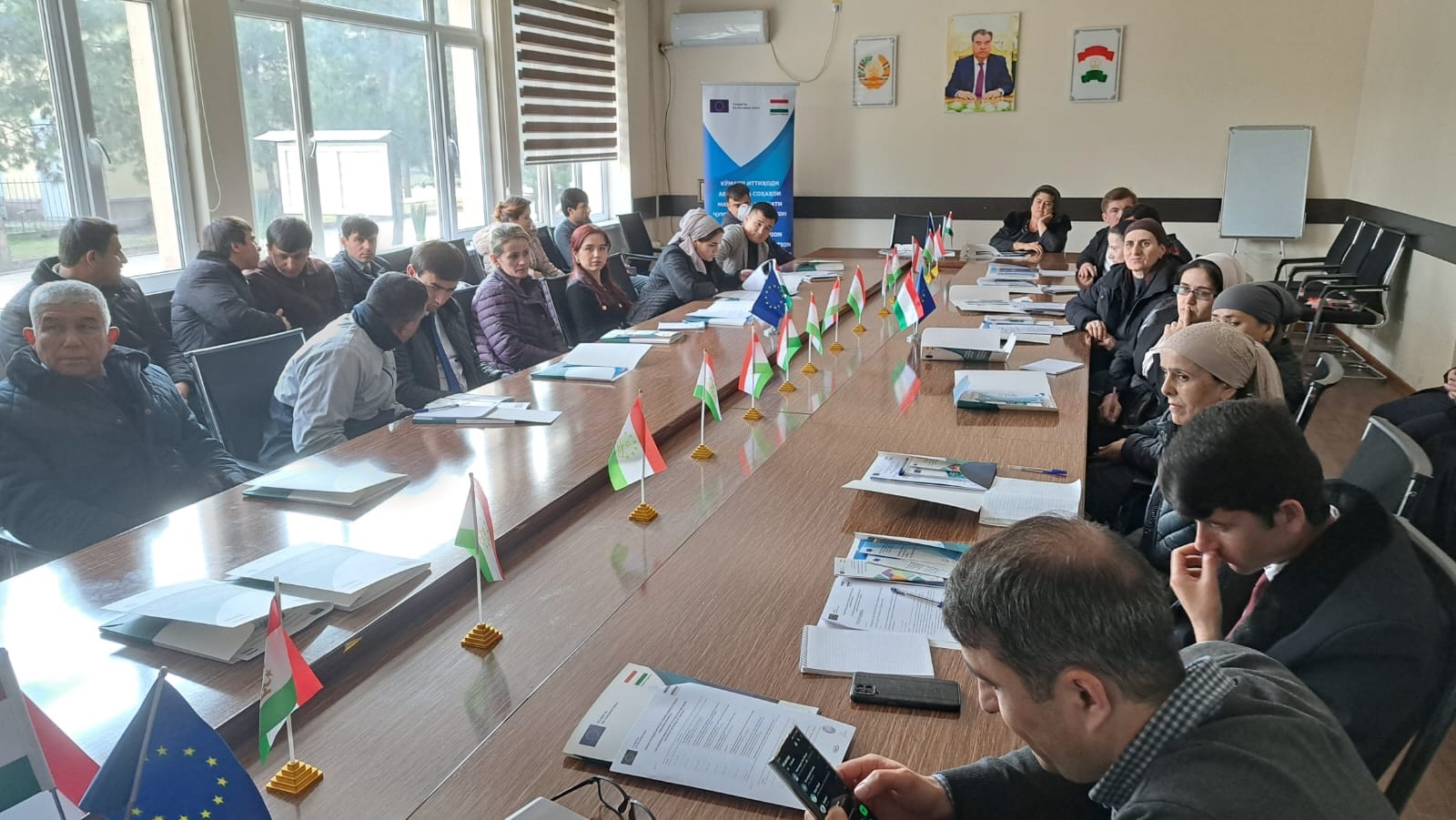
prepared for the workshop of the
Ministry of Education and Science of the Republic of Tajikistan
Building Leadership Capacity for AI Integration
Sarob, Republic of Tajikistan
17 – 18 May 2025
Contact Information:
📧 info_qesp2pro@eductrade.com | loiq.mirov@eductrade.com
🌐 https://maorif.tj/projects/qesp2/news
This publication was produced with the financial support of the European Union. Its contents are the sole responsibility of the consortium led by Eductrade and do not necessarily reflect the views of the European Union.
List of contents
Introduction 3
Sierra Leone: Data Hub and Digital Innovation 4
Kenya: Laying AI Foundations in Education 6
Nigeria: AI-Powered Virtual Tutoring in English Education
Peru: AI-Powered Early Warning for Dropout Prevention 9
Uruguay: National EdTech Agency and AI for Personalized Learning 13
Ecuador: Smart Matching of Teachers to Schools 17
Philippines: AI Education Center and Multi-Faceted AI Solutions 21
China: National Education Platform and Data-Driven Governance 26
Comparative Insights and Lessons for Tajikistan 31
1. Strategic Focus on Problem-Solving 31
2. Human Capacity Is Foundational 31
3. Governance and Change Management Are Critical 31
4. Tangible Impact on Performance and Equity 32
5. Enabling Factors for Success 32
6. Managing Challenges and Mitigating Risks 32
Conclusion: A Roadmap for Tajikistan 33
Introduction
Over the past three years, several low- and middle-income countries have launched Ministry of Education-led AI initiatives to strengthen institutional performance and decision-making. This report compares seven case studies – Sierra Leone, Kenya, Peru, Uruguay, Ecuador, the Philippines, and China – examining how each ministry applied AI strategically, built capacity, reformed governance, achieved impacts, managed risks, and what lessons might transfer to Tajikistan.
Each case highlights different applications (from predictive analytics and data dashboards to computer vision and AI tutors) and demonstrates common success factors like leadership, partnerships, and training. The final section distills cross-cutting insights and relevance for Tajikistan’s context.
Sierra Leone: Data Hub and Digital Innovation
Strategic Applications of AI: Sierra Leone’s Ministry of Basic and Senior Secondary Education, in partnership with the government’s Directorate of Science, Technology, and Innovation (DSTI), has leveraged AI and data systems to improve planning and monitoring. A flagship initiative is the Education Data Hub, which consolidates education data (enrollment, attendance, exam results, school geolocation) for analysis. This platform uses advanced analytics – and is laying the groundwork for machine learning – to recognize patterns and flag issues (e.g. identifying which districts have the most out-of-school children or resource gaps). By deploying AI-driven data dashboards, the ministry can more efficiently target interventions and allocate resources (for example, spotting schools with declining attendance early).
Capacity Development: To effectively use AI and data, Sierra Leone invested heavily in building staff capacity and a culture of innovation. The DSTI established an in-house team of data scientists and analysts embedded in the education ministry. Ministry staff participated in digital leadership and peer-learning programs; notably, the Minister also serves as Chief Innovation Officer, exemplifying high-level buy-in. Training sessions were held to help district education officers and school principals interpret data insights from the Education Data Hub and act on early warnings. Sierra Leone also benefited from cross-agency collaborations – for instance, the Ministry of Education worked with the national statistics bureau and international experts to improve data collection quality, knowing that “bad data cannot generate meaningful insights”. This focus on data quality (“garbage in, garbage out”) was a core capacity message.
Governance and Institutional Change: Sierra Leone created new structures and mandates to drive its AI transformation. The National Innovation and Digital Strategy (NIDS) mandated the DSTI to integrate emerging technologies into public sectors, including education. Through DSTI, the Ministry gained a “skunkworks”-style unit to prototype tech solutions outside regular bureaucracy. Data governance was strengthened by deploying a modern Education Management Information System (HereMIS) to collect high-quality, disaggregated data. Internally, roles were adapted – e.g. planning departments now include data officers – to ensure AI-generated evidence informs policy meetings. The Education Data Hub’s rollout was accompanied by clear protocols on data sharing between central and local levels, protecting student privacy while enabling analysis (with support from UNICEF on AI and child rights policy).
Impact and Measurable Outcomes: Early signs show improved efficiency and responsiveness in decision-making. The Ministry reports faster, evidence-based reactions – for instance, using the Data Hub’s real-time dashboards, officials identified schools with low attendance during the pandemic and redirected radio-teaching resources there. By 2025, Sierra Leone showcased its progress: the Minister of Innovation highlighted that AI-driven initiatives like the Education Data Hub have enhanced “data-driven policy development and improved service delivery” in education. Although still in progress, the system has enabled more targeted interventions (such as directing textbooks and learning materials to regions flagged by the AI as underserved). In turn, this is expected to boost equity – making it easier to identify which children are “losing out” and respond before issues escalate. Improved resource allocation is another outcome: with AI insights, funds and teachers can be assigned where need is greatest, rather than relying on outdated statistics.
Success Factors and Risk Management: Local leadership and vision have been key. Political will from the Minister (a tech-savvy champion) ensured sustained support and funding. Partnerships with donors and tech firms also enabled success – e.g. a UK-based firm provided the HereMIS platform and training. The creation of DSTI provided a protected space to innovate, analogous to an internal innovation lab, which EdTech experts argue is vital for ministries to “turn the tanker” and keep pace with AI. Sierra Leone mitigated risks by prioritizing data quality and infrastructure first. They recognized that AI’s transformative potential would be “constrained by the quality of the data that underpins it”. To address potential staff resistance, the ministry involved educators early – training them to use data tools so they saw AI as helping (not replacing) their work. Privacy concerns are managed through strict data use policies and by aggregating sensitive data at higher levels. A remaining challenge is limited connectivity in some rural schools, but the government is exploring offline data collection and later synchronization to include those areas in the AI analyses.
Relevance for Tajikistan: Sierra Leone’s experience underscores the importance of getting the digital basics right as a foundation for AI. For Tajikistan, a key transferable element is the Education Data Hub model – a centralized platform merging various education data sources for analysis. Tajikistan could start by strengthening its EMIS and ensuring schools regularly report reliable data. Like Sierra Leone, Tajikistan might benefit from a small innovation unit within the Ministry of Education to pilot AI solutions (leveraging local tech talent or university partnerships). Sierra Leone’s emphasis on training staff in data use is also relevant: even with limited infrastructure, building a cadre of data-literate officials in Tajikistan can create readiness for future AI tools. Finally, Sierra Leone illustrates that one need not start with complex AI; improving data collection and using basic analytics can yield quick wins, building momentum for more advanced AI (predictive models, etc.) when Tajikistan’s connectivity and data quality improve.
Kenya: Laying AI Foundations in Education
Strategic Applications of AI: Kenya’s Ministry of Education is in earlier stages of AI adoption, focusing on pilot projects and strategy development. One emerging use case is leveraging predictive AI for planning student placement and resilience to climate disruptions. For example, EdTech researchers have explored “[using] predictive AI [to] help officials in Kenya make smarter secondary school student allocations and address climate-related school disruptions”. In practice, this could mean an AI system analyzing exam results and school capacities to optimally assign Form 1 students to secondary schools, while also factoring in climate risk (e.g. not placing a student in a flood-prone school far from home). Additionally, Kenya encourages AI-powered EdTech solutions to enhance learning. Adaptive learning platforms like M-Shule and Eneza Education – which use AI algorithms to tailor lessons to each learner – have been piloted in Kenyan schools with ministry support. These tools analyze individual learning patterns and provide customized content via simple technologies (SMS/WhatsApp), making education more inclusive for remote or underserved communities. While largely NGO- or private-led, the Ministry’s endorsement of such AI EdTech indicates a strategic intent to harness AI for both administration and pedagogy.
• Capacity Development: Kenya has invested in building human capacity and awareness of AI at multiple levels. The Ministry partnered with global tech companies (like Microsoft and Google) to train teachers and officials on utilizing AI tools in education. Through these programs, thousands of Kenyan teachers have gained skills in using AI for tasks such as automated grading, digital content creation, and classroom record management. The rollout of Kenya’s new Competency-Based Curriculum (CBC), which emphasizes digital literacy from early grades, is also enhancing long-term capacity for AI – students and teachers are being exposed to basic coding, data skills, and even introductory AI concepts. Peer learning has been encouraged via communities of practice: tech-savvy educators share lessons with peers on integrating AI-driven apps into teaching. Within the Ministry, capacity building has included workshops on data analysis for policy planners and sending officers to international trainings on AI in public sector. Cross-agency collaboration is evident as well – Kenya’s draft National AI Strategy was developed with input from the ICT Ministry, the education sector, and local universities, ensuring a broad base of knowledge and leadership commitment.
• Governance and Institutional Change: In 2023, Kenya released a National Artificial Intelligence Strategy (2025–2030) with a dedicated pillar for education, signaling high-level commitment to AI-driven transformation. This strategy provides a framework for integrating AI into education planning and delivery, and proposes setting up an AI Education Task Force to guide implementation. While a standalone “EdTech/AI unit” within the Ministry is still nascent, the government has empowered bodies like the Kenya Institute of Curriculum Development (KICD) to incorporate AI and digital content into curricula. Data governance is being addressed through initiatives to upgrade education data systems – for instance, linking the National Education Management Information System (NEMIS) with AI analytics capabilities. The ministry is also considering regulatory guidelines for AI use in schools (e.g. ensuring ethical use of student data and regulating AI tutoring services). These emerging governance structures aim to balance innovation with oversight. Notably, Kenya has partnered with its ICT Ministry to establish innovation hubs in schools, effectively bringing new tech (including AI demos) into the education ecosystem under guided supervision. No major restructuring has occurred yet, but the clear mandates in the national strategy foreshadow institutional changes to support AI – such as new roles for AI project managers or a formalized coordination unit between education and ICT authorities.
• Impact and Measurable Outcomes: Since Kenya’s implementations are largely pilots, measurable outcomes are just beginning to surface. One area showing promise is improved learning engagement in marginalized settings. The AI-powered platform M-Shule, which personalizes SMS learning for primary students, was found to improve student engagement and comprehension in math and literacy, especially for those in underserved communities. Similarly, early use of an AI chatbot for teachers (to generate lesson ideas) has anecdotal reports of saving teachers time on preparation. On the administrative side, AI is expected to enhance efficiency in processes like student selection and scholarship distribution. Although full deployment is pending, simulations suggest that a predictive allocation AI could increase the satisfaction rate of secondary school placements by better matching students to schools of their preference and needs (while reducing manual workload for officials). Additionally, AI tools are improving inclusivity: speech-to-text and translation AI have enabled Kenyan classrooms to better support learners with hearing impairments or language barriers. Downstream, these initiatives aim to boost equity in education quality – e.g. rural students receiving adaptive tutoring via WhatsApp can close learning gaps despite having larger pupil-teacher ratios. While concrete nationwide metrics (like exam scores or dropout rates attributable to AI) are not yet available, qualitative outcomes indicate more data-driven and personalized approaches taking root. The very process of developing an AI strategy has had a positive institutional impact: it raised awareness and urgency around data use, which has led to more frequent monitoring of key indicators (even with basic analytics, ahead of advanced AI).
• Success Factors and Risk Management: A key enabler in Kenya has been multi-stakeholder partnerships. Support from big tech companies provided both expertise and credibility – teachers were more eager to try AI tools knowing they were co-developed with reputable partners. Donor-funded programs (through UNESCO and others) also helped with initial capacity training and pilots. Local leadership has been strong at the policy level; Kenya’s President and Education Cabinet Secretary publicly endorse digital innovation, creating an environment that encourages experimentation. This top-down support, combined with bottom-up innovation by edtech startups, creates a robust ecosystem for AI in education. On the risk side, Kenya is proactively addressing challenges. Infrastructure inequality (urban vs. rural) is a major risk – the government is mitigating this by adapting AI solutions to low-tech channels (for example, using WhatsApp and SMS for AI-driven learning so that even low-bandwidth communities can benefit). There is also caution against overreliance on AI: officials emphasize that technology will “support teachers, not sideline them,” aligning with global best practice to use AI as a complement. To manage data privacy and security, Kenya’s Data Protection Act provides a legal framework – the education ministry works within this by anonymizing student data when running pilots and seeking consent in schools that test AI tools. Finally, to reduce resistance, the ministry frames AI reforms as directly solving practical pain points for teachers and administrators (like cutting paperwork or improving lesson delivery), which has helped build goodwill and adoption.
• Relevance for Tajikistan: Kenya’s case offers valuable lessons for Tajikistan’s relatively early journey with AI. First, it shows that even without fully rolled-out AI systems, planning and preparing is crucial. Tajikistan can similarly develop an AI in Education roadmap or strategy, convening education and IT stakeholders to set a vision and identify pilot use cases. Kenya’s focus on teacher training in digital skills is highly applicable – Tajikistan could collaborate with partners (perhaps via UNESCO or bilateral donors) to deliver AI literacy workshops for teachers and ministry staff. This would cultivate a workforce comfortable with data and new tools. Moreover, Kenya’s use of AI via low-tech channels (e.g. SMS-based adaptive tutoring) could be a model for Tajikistan, where internet connectivity in remote regions is limited. By starting with AI applications that work on basic mobile phones, Tajikistan can begin addressing learning gaps without waiting for perfect infrastructure. Another relevant element is partnership: Kenya tapped into the expertise of the private sector and research community. Tajikistan might seek partnerships with regional tech hubs or universities (perhaps in Central Asia or Russia) to co-create AI solutions tailored to its context (for example, predictive analytics to identify students at risk of dropping out in mountain communities, or an AI tool to help distribute scarce school resources equitably). Finally, Kenya’s cautious approach to regulating and guiding AI use highlights to Tajikistan the need for governance – crafting simple guidelines on data privacy and responsible AI use in education early on will ensure that as new tools emerge, they are used safely and effectively.
Nigeria: AI-Powered Virtual Tutoring in English Education
Strategic Applications of AI: In a pioneering effort to explore the use of generative AI in public education, Nigeria conducted a randomized pilot program using AI-powered English tutoring among secondary students. The initiative, led by researchers from the World Bank and local partners, used Microsoft Copilot (GPT-4) as a virtual tutor to support English learning. Implemented in nine public schools in Benin City, the six-week after-school program integrated structured AI interactions aligned with Nigeria's national curriculum. Students used Copilot in pairs during 90-minute sessions, facilitated by trained teachers who monitored usage and guided prompts. The program illustrated how AI tools could be employed in low-resource settings to personalize learning at scale.
Capacity Development: The program required targeted training for teachers on supervising AI use and maintaining educational focus. Teachers were instrumental in providing structured prompts, interpreting student-AI interactions, and ensuring ethical and effective engagement. Although the initiative did not require deep technical infrastructure, teachers needed orientation on prompt engineering, monitoring student learning, and safeguarding data privacy. The project also introduced students to AI-assisted learning, enhancing digital literacy and confidence in working with advanced technologies. This approach demonstrated a scalable method of upskilling educators and learners without significant infrastructure upgrades.
Governance and Institutional Change: The pilot was research-driven and not yet institutionalized within Nigeria's national education policy. However, its success has informed policy discussions on integrating AI in the broader education system. By using open-access tools and existing school infrastructure, the model suggests a low-cost, replicable framework for AI adoption. While no formal AI unit was established, the initiative underscored the importance of policy frameworks to support ethical AI use, curriculum integration, and teacher training. As AI tools become more available, Nigeria may explore regulatory measures and institutional support to scale such interventions.
Impact and Measurable Outcomes: The pilot showed promising learning gains: a 0.23 standard deviation increase in English proficiency and 0.31 in overall academic performance. It also proved highly cost-effective, delivering over three years of equivalent learning per $100 spent. Notably, the program yielded stronger gains for female students and higher-achieving learners, suggesting potential for AI to improve equity if designed inclusively. These results position AI tutoring as a scalable and impactful strategy for foundational learning, especially in contexts where teacher shortages or resource gaps persist.
Success Factors and Risk Management: Key enablers included alignment with curriculum, active teacher facilitation, structured prompt design, and accessible technology (free AI tools and shared devices). To manage risks, the project limited sessions to school settings under supervision and avoided collecting personal data. Teachers were briefed on ethical AI use and received materials to prevent misuse. The simplicity and structure of implementation reduced resistance and built educator trust. Challenges include the need for sustained engagement, wider teacher training, and policy support to move from pilot to systemic change.
Relevance for Tajikistan: Nigeria's case demonstrates that even in low-resource environments, AI can significantly enhance learning when integrated thoughtfully. For Tajikistan, where foreign language acquisition and digital skill development are national priorities, a similar model could be adapted to accelerate German or English language learning, particularly in TVET. Using open-source AI tools with local language prompts and teacher facilitation, Tajikistan can pilot small-scale AI tutoring programs in targeted regions. This approach can enhance equity, support personalized learning, and provide a foundation for broader AI adoption across the education sector.
Peru: AI-Powered Early Warning for Dropout Prevention
• Strategic Applications of AI: Peru’s Ministry of Education (MINEDU) implemented “Alerta Escuela” – an AI-driven early warning system (EWS) – to tackle student dropout. Rolled out nationally in late 2020, Alerta Escuela uses advanced analytics (machine learning) to predict which students are at high risk of abandoning school. The system draws on a rich dataset from Peru’s student information system (SIAGIE), including each student’s academic performance, attendance records, over-age status, socio-economic background, and family education levels. By analyzing these factors, the ML model flags students with profiles similar to past dropouts, generating risk scores. This predictive dashboard is integrated into SIAGIE and accessible to school principals and local education officers. It provides “temprana alerta” (early alerts) alongside specific risk factors for each flagged student. Strategically, AI is thus used to enhance monitoring and targeted interventions: rather than reacting after a student already drops out, the ministry can proactively deploy support (counseling, tutoring, family outreach) to at-risk students identified by the model. As the Education Minister explained, “international evidence shows that implementing early warning systems significantly reduces the number of students who abandon school”, underscoring Peru’s goal of leveraging AI to improve planning and preventive action in its education system.
• Capacity Development: Implementing Alerta Escuela required extensive capacity-building within Peru’s education bureaucracy. MINEDU first assembled a technical team of data scientists and EMIS specialists to develop the machine learning model (many trained through the ministry’s innovation lab, MineduLAB). They received support from local universities and the World Bank’s analytics experts in refining the algorithms. Once the system was ready, the focus shifted to training end-users – school leaders and regional education staff – to interpret and act on the AI-generated alerts. In 2021, the Ministry conducted nationwide virtual trainings on using the Alerta Escuela dashboard, reaching thousands of principals and teachers (in collaboration with the Regional Education Directorates). These sessions emphasized how to navigate the system, understand the risk indicators, and design responsive strategies (pedagogical or socio-emotional) for at-risk students. Peer learning was also encouraged: schools that piloted the tool in 2020 shared success stories in workshops, creating a community of practice around dropout prevention. Furthermore, digital leadership programs within MINEDU’s central office prepared mid-level officials to work with AI outputs – for example, training planning officers in basic data science so they could liaise with the technical team and translate predictions into policy. This cross-functional skill development was crucial for integrating AI into daily workflows. Notably, Peru’s effort drew on grey literature and global knowledge – staff studied early warning projects in the US and Latin America, learning how peer systems functioned, which informed local training content. Overall, capacity development in Peru combined technical upskilling with broad-based user training to ensure the ministry could effectively leverage the EWS.
• Governance and Institutional Change: The introduction of Alerta Escuela prompted MINEDU to adapt its structures and policies to support AI-driven decision-making. Rather than creating a separate AI unit, Peru embedded the EWS within its existing decentralized education governance system. Data teams were strengthened at the Ministry’s Directorate of Educational Information and Management (which runs SIAGIE), effectively giving them an AI mandate. The ministry also issued official guidelines and resolutions instructing every public school to use the Alerta Escuela tool as part of their management practices. This formalized the expectation that tracking and preventing dropouts is now a data-informed process. To coordinate the effort, new roles were assigned: in each of Peru’s 26 regional education offices, a designated “continuity of education” specialist serves as the point person for Alerta Escuela, monitoring local data and supporting schools. Data governance was carefully managed – Peru has a robust education data law, so the ministry ensured student data in Alerta Escuela is used only for educational support (and not punitive measures). Access to detailed predictions is tiered: school principals see only their students’ data, while aggregated regional patterns are visible to higher officials. At the institutional level, MINEDU’s culture began shifting to be more evidence-driven; senior officials reportedly grew more comfortable using AI outputs in policy meetings on enrollment and retention. Notably, Alerta Escuela was recognized in 2022 as a “Buena Práctica en Gestión Pública” (Good Practice in Public Management) by the government, reinforcing its institutional legitimacy. This acclaim has led the Ministry to consider expanding AI to other areas (such as an early warning for teacher absenteeism), indicating a broadening mandate for AI within educational governance.
• Impact and Measurable Outcomes: In its first years, Alerta Escuela has shown tangible improvements in keeping students on track. While a full impact evaluation is ongoing, initial ministry reports from 2021–2022 are promising. Schools using Alerta Escuela were able to reduce their dropout rates compared to similar schools that were slower to adopt the tool. In particular, during the disruptions of the COVID-19 pandemic, the system proved invaluable: by mid-2021, over 20,000 at-risk students had been identified through the AI model, and targeted interventions (home visits, conditional incentives, or counseling) helped a significant portion of them stay enrolled (preventing what could have been a surge in dropouts). Officials credit the EWS with enabling a more efficient allocation of support resources – for example, directing limited tutoring staff to the specific schools and grades where the AI indicated dropout risk was highest. Qualitatively, principals report that having concrete data changed the conversation with families; instead of waiting for chronic absenteeism, they reached out early, often persuading parents to keep children in school despite economic hardships. The ministry also observed improved interdepartmental coordination as a byproduct: the AI alerts forced social protection programs and education offices to work together (in some cases providing cash transfers or food baskets to at-risk students’ families, triggered by the school’s alert). Downstream, the anticipated outcome is higher completion rates in secondary education and narrower equity gaps – since the students most likely to drop out are often from poor or rural backgrounds, preventing their dropout directly contributes to equity. While Peru’s overall secondary dropout rate did increase due to the pandemic, it would likely have been worse without the AI early warning system in place. The measurable performance improvements include not just dropout reduction, but also better data accuracy (schools became more diligent in updating student information, knowing it feeds the AI system) and faster response times (the lag between identifying a student issue and deploying support has shrunk). These gains illustrate AI’s potential for real-time, data-driven responsiveness in educational administration.
• Success Factors and Risk Management: Peru’s success with Alerta Escuela can be attributed to several enabling factors. High-level political support was critical – successive Education Ministers backed the initiative, aligning it with the national goal of improving secondary completion. This support helped secure funding and integration with Peru’s broader “ Educación Escala” plan. Additionally, evidence-based design was a key enabler: the Ministry built the system on years of research and even ran pilots in 2018–2019 in select regions, allowing refinement of the algorithms and approach before scaling. Peru also benefited from strong data infrastructure – SIAGIE provided a reliable backbone of student data, a result of investments in EMIS over the prior decade. This meant the AI had quality data to learn from, raising its effectiveness. On risk management, stakeholder buy-in was carefully cultivated. The Ministry anticipated that some educators might distrust a “black box” algorithm labeling students at risk. To mitigate this, they kept the model relatively interpretable (highlighting key risk factors for each student) and emphasized that the AI is a decision-support tool, not a decision-maker. By framing Alerta Escuela as “a powerful tool that provides information and guidance to promote educational continuity” (in the words of Minister Martín Benavides), they positioned it as helping – not judging – schools. Privacy concerns were addressed through strict access controls and by only using existing administrative data (no invasive data collection). Another challenge was ensuring sustainable use: a flashy AI system is useless if not acted upon. Peru managed this by embedding the EWS into the regular responsibilities of school directors and by linking it with the “Education Restitution Plan”, so that following up on flagged students became part of the official protocol. Finally, Peru’s iterative approach to risk – starting small, learning, and then scaling with adjustments – exemplifies prudent management. When some rural schools initially lacked capacity to use the digital dashboard, the Ministry provided alternative notification (like PDF reports of risk students) until those schools got training and connectivity, thus avoiding leaving any region behind.
• Relevance for Tajikistan: Peru’s Alerta Escuela offers a compelling model that Tajikistan could adapt to combat its own student retention challenges. A direct lesson is the power of using existing education data to predict and prevent dropouts. Tajikistan already collects some data on attendance and exam performance; by improving data quality and consistency, it could pilot a simpler early warning system. Given Tajikistan’s infrastructure constraints, the system might start more modestly – for instance, using a rule-based analytic (e.g. flagging any student with low attendance and marks) as a proxy for AI – but the concept of systematic early alerts is transferable. Peru’s case also underscores the need for training school staff to act on data. Tajikistan would need to invest in capacity building for principals and district officers to use any warning reports effectively (perhaps starting with paper-based or Excel-generated alerts, then moving to AI as capacity grows). Policy alignment is another relevant factor: just as Peru tied EWS to its broader policies, Tajikistan should integrate AI-based monitoring into its Education Development Strategy, so it’s seen as a core solution to improve completion rates. Funding and technical expertise could be sought from development partners; for example, the World Bank or UNICEF, which have supported similar efforts elsewhere, could assist Tajikistan in developing a pilot predictive model for at least one region or target group (such as girls in upper secondary). One more insight is the importance of not letting data just sit – Peru’s system worked because it triggered concrete support actions. Tajikistan will similarly need to coordinate education data with social services (as poverty-related dropout is an issue) – an AI alert could prompt a referral to a social worker or community leader to intervene. Finally, Peru’s case demonstrates that even a relatively low-cost AI tool (largely built on existing systems) can yield significant social benefits. For Tajikistan, where resources are limited, this is encouraging: a dropout early warning AI could be a high-impact, affordable innovation to ensure more youths complete their education, thus improving human capital outcomes in line with Tajikistan’s development goals.
Uruguay: National EdTech Agency and AI for Personalized Learning
• Strategic Applications of AI: Uruguay stands out for integrating AI into its education system through Plan Ceibal, the national educational technology agency. Ceibal has deployed AI primarily to enhance learning processes and resource management. A notable initiative is the AI-powered tutor program integrated into the national coding and computational thinking curriculum. In this pilot, students practice coding with the help of AI tutors (conversational agents) that provide instant feedback and hints, while teachers oversee the process. The AI tutors personalize the experience by adapting challenges to each student’s skill level, effectively “supporting teachers, not replacing them” in large classes. Beyond coding, Uruguay has experimented with adaptive learning platforms in core subjects: for example, an AI-driven math software (similar to Mindspark) that tailors exercises in real-time to student performance, which helped low-performing students make substantial gains. In administration, Ceibal uses AI and big data to improve decision-making on content and training. The national “Smart Education” platform in Uruguay analyzes user behavior (which digital resources teachers and students use) to give “precise and personalized resource recommendations”. This helps the Ministry and Ceibal identify what materials are effective and which schools need additional support. AI is also used for language inclusivity – e.g. Ceibal has explored automatic subtitling and translation for educational videos to ensure accessibility across Uruguay’s Spanish-speaking and indigenous communities. Strategically, Uruguay has positioned AI as a tool to individualize learning at scale (critical in a country that already achieved one-to-one device access) and to optimize the huge repository of digital content it has accumulated over 15+ years of edtech innovation.
• Capacity Development: Since Plan Ceibal’s inception, capacity building has been at the heart of Uruguay’s approach – both human capacity and digital infrastructure. Ceibal has trained an enormous number of teachers in integrating technology and AI into pedagogy. By 2023, Uruguay had provided AI-related training to 80% of the country’s urban schools and reached about 80,000 students with AI learning experiences as part of its Computational Thinking program. A dedicated reference Framework for Teaching AI was published in 2023 – the first such guide in Spanish – to help teachers include AI concepts and ethics in their lessons. This framework, considered a model for other countries, not only boosts student literacy in AI but also upskills teachers in understanding AI basics. On the ministry side, Ceibal itself functions as a capacity hub: its staff of engineers, data analysts, and pedagogues develop and manage AI tools, effectively extending the Ministry of Education’s internal capacity. The agency runs continuous professional development sessions (both online and on-site in Ceibal’s Innovation Center) to ensure educators can use AI tutors and dashboards confidently. Peer learning is evident through communities of practice – Uruguayan teachers share experiences on forums about using AI tutors, and successful strategies (like how to balance AI assistance with direct instruction) are documented and circulated. Additionally, cross-sector collaborations have bolstered capacity: Ceibal partners with universities (like UTEC in Uruguay and MIT globally) for research on AI in education, bringing cutting-edge knowledge to its staff. By maintaining local development of AI solutions (e.g. training coding assistants using Uruguayan curriculum data), Uruguay has built a sustainable base of expertise. Importantly, Uruguay’s decades-long investment in infrastructure (devices, connectivity) via Ceibal laid the groundwork so that capacity training could focus on meaningful use of AI, rather than basic tech access issues.
• Governance and Institutional Change: Uruguay’s governance model for AI in education is unique – Plan Ceibal operates as a semi-autonomous, ministry-anchored institution with a mandate to innovate. Established in 2007 to manage the One Laptop per Child rollout, Ceibal has evolved into the national center for educational technology and digital learning. It is directly at the service of public education policies, which means any AI initiative is closely aligned with Ministry of Education goals (Ceibal’s strategic plan 2021–2025 explicitly includes AI integration). This structure allowed Uruguay to be flexible and “create irreversible transformation in improving the education system” through technology, without being bogged down by the core Ministry’s bureaucracy. Governance-wise, Uruguay emphasizes open ecosystems: the country is a proponent of digital public goods, using open-source AI tools where possible and sharing its frameworks abroad. Data governance is robust – Ceibal manages massive amounts of student data from its platforms, adhering to Uruguay’s strong data protection laws. Students’ data and usage patterns are analyzed to improve services, but Uruguay is cautious about ethical use; for instance, the AI recommendations on the Smart Education platform are continuously refined through feedback loops and expert oversight to avoid biases. On the institutional side, the Ministry of Education coordinates with Ceibal through a board and regular policy dialogues, ensuring AI projects address real educational priorities (such as improving rural education outcomes). One new structure introduced is an AI Advisory Council within Ceibal that includes educators, technologists, and ethicists – this body reviews AI initiatives for alignment with pedagogical values and equity. By institutionalizing Plan Ceibal and integrating AI oversight into its mechanisms, Uruguay effectively embedded AI within the education system’s governance in a sustainable manner.
• Impact and Measurable Outcomes: Uruguay’s long-term investments have yielded notable improvements in educational performance and innovation capacity, with AI now contributing to those gains. While Uruguay already had high enrollment and low dropout rates compared to regional peers, AI tools are helping to boost learning outcomes and efficiency further. Preliminary results from the AI-supported coding tutor pilot show increased student engagement in programming classes and anecdotal evidence of faster concept mastery. A randomized evaluation is underway to rigorously assess learning impact, but teachers report that students interact enthusiastically with the AI assistants and that these tutors free up teacher time to provide individualized help to those who need it most. In general, adaptive learning platforms piloted by Ceibal (e.g. in mathematics) have shown substantial learning gains for struggling students, echoing global findings that personalized AI instruction can close gaps. On the administrative side, Uruguay’s Smart Education Platform – awarded the UNESCO ICT in Education Prize in 2022 – played a pivotal role during the COVID-19 pandemic by enabling large-scale distance learning. It provided access to tens of thousands of curriculum-aligned resources and MOOCs, aided by AI search and recommendation features, which kept learning continuity for millions of users. The platform also trained more than 10 million teachers (including international users) in digital competencies, greatly enhancing teacher capacity for tech integration. This contributed to education quality and equity: rural and urban students alike could tap into high-quality content, and initiatives like “MOOCs for Western China” (sharing Uruguayan digital courses abroad) show the global reach of Uruguay’s approach. Efficiency gains are evident in content management – thanks to AI-driven analytics on resource usage, Ceibal optimized its content library, focusing on what worked best and reducing spend on under-utilized materials. Moreover, Uruguayan students are emerging with stronger AI and digital skills: by early 2024, 80,000+ students had hands-on experience with machine learning projects and AI concepts as part of coursework. This not only improves immediate learning (e.g. in math or science through coding exercises) but builds a future-ready workforce, an outcome that is harder to measure in the short term but is a strategic gain for the country’s economy. In summary, Uruguay’s AI integration has reinforced its reputation as an educational innovator and has tangibly improved personalization in learning, teacher practices, and system resiliency.
• Success Factors and Risk Management: Uruguay’s story illustrates that sustained political and financial commitment is a key enabler. Since 2007, every administration supported Plan Ceibal, providing it steady funding (e.g. consistent budget allocations for digital education) and autonomy. This allowed long-term projects like AI in education to flourish. Additionally, Uruguay’s relatively small size and unified education system made scaling innovations easier (fewer bureaucratic layers than larger countries). The early investment in infrastructure – giving every student and teacher a device and connecting virtually all schools – was a prerequisite that Uruguay achieved, enabling current AI projects to piggyback on that ubiquity. Partnerships also fueled success: Ceibal collaborated with international research (e.g. a World Bank partnership on AI tutors) to ensure solutions were cutting-edge. A culture of innovation and evaluation is deeply ingrained – Uruguay tries new ideas in controlled pilots (as with the AI tutor) and rigorously evaluates them before scaling, reducing the risk of deploying ineffective or harmful AI at scale. This cautious scaling is a form of risk management ensuring AI is a complement, not a crutch for learning. When it comes to challenges, Uruguay has managed a few: teacher buy-in could have been an issue (fear of AI replacing their role), but Ceibal’s extensive teacher training and the design of AI tools as teacher-assistive mitigated this. Teachers remain in “full pedagogical control” while using the AI tutors, easing concerns. Privacy and ethics are taken seriously; for instance, Ceibal does not employ facial recognition or invasive student monitoring. All AI use is focused on learning processes or anonymized data trends, and an ethics committee reviews new proposals. One challenge Uruguay navigated was preventing increased dependence on AI – a recent global study in Turkey warned of a “crutch effect” when students over-rely on AI tutors. Uruguay’s approach to avoid this includes blending AI use with unplugged activities and continually reminding educators that AI is a tool; this messaging and pedagogical integration are part of Ceibal’s risk strategy. Lastly, equity remains a focus: Uruguay deliberately designs AI initiatives that work in low-connectivity scenarios as well (though connectivity is high, they plan for all contingencies), and provides extra support to any schools that lag in tech adoption to ensure no one is left behind in the AI revolution.
• Relevance for Tajikistan: Uruguay’s case offers inspiration for Tajikistan, albeit scaled to a very different context. One key takeaway is the value of establishing a dedicated institution or unit for edtech and AI. Tajikistan could consider creating a small “Digital Education Unit” (within the Ministry or as a special agency) that focuses on piloting and implementing tech innovations – a mini version of Plan Ceibal – to give sustained attention to AI initiatives. Another lesson is start with infrastructure and training: Uruguay’s success hinged on devices for students and capacity for teachers. Tajikistan, in partnership with donors, might aim to expand device access and connectivity for schools, at least in a phased way, while simultaneously training teachers in foundational ICT skills. This paves the way for future AI tools. Uruguay’s AI tutor pilot in coding is also relevant because Tajikistan could leverage existing open-source AI tutors (perhaps adapted to Russian or Tajik) to supplement teaching in subjects like math or language, addressing teacher shortages in remote areas. Additionally, the content recommendation approach used by Uruguay’s platform could help Tajikistan manage any digital learning resources it has – by analyzing what materials students use most, Tajikistan’s ministry can make more informed procurement and curriculum decisions. Importantly, Uruguay demonstrates the power of localization: they built frameworks and content in their local language (Spanish) and context. Tajikistan should ensure any AI tools or digital content are culturally and linguistically adapted (e.g. an AI literacy curriculum in Tajik). With regard to risk, Uruguay’s careful rollout suggests Tajikistan should pilot AI solutions in a few willing schools or regions first, measure impact, then scale up – a strategy that manages technical and pedagogical risks. Lastly, Uruguay’s emphasis on equity through technology aligns well with Tajikistan’s needs. Tajikistan could borrow the idea of using AI to personalize learning, which might be transformative for students in multi-grade classrooms or with varying proficiency levels. In short, while Tajikistan’s starting point differs, Uruguay provides a vision of what is possible with consistent commitment: an education system where AI enriches teaching and learning, and where digital innovation is institutionalized as a continuous, inclusive process.
Ecuador: Smart Matching of Teachers to Schools
• Strategic Applications of AI: Ecuador’s Ministry of Education applied AI to the domain of teacher recruitment and deployment, aiming to improve the efficiency and fairness of teacher assignment to schools. Specifically, in recent years Ecuador enhanced its Quiero Ser Maestro (QSM) teacher selection system with a “smart matching platform” that uses algorithms and predictive modeling to pair teacher candidates with suitable vacancies. Under the traditional system, many vacancies – especially in rural or high-poverty areas – went unfilled or were filled by lower-qualified candidates, as teachers tended to prefer certain schools. The AI-driven platform addresses this by providing personalized recommendations to teachers during the application process. It calculates each candidate’s probability of being assigned to each open position (based on their exam scores, preferences, and location needs) and then issues a risk warning if a candidate is unlikely to get any of their chosen posts. Candidates receive suggestions for alternative schools where their chances are higher, effectively nudging applications toward underserved schools. This predictive matching and recommendation system is powered by machine learning models trained on historical assignment data. Strategically, this use of AI enhances administrative planning by optimizing the match between teacher supply and school demand, ensuring that more vacancies are filled and that schools are staffed with teachers who are a good fit. It turns what was once a cumbersome, manual placement process into a data-driven, partially automated matching process. By 2022, Ecuador’s Ministry was focusing this AI application on equity goals: reducing the chronic teacher shortages in remote and low-income schools by leveraging the algorithm to guide teachers there. This represents a move from subjective or purely seniority-based postings to an evidence-informed approach, a significant strategic shift in human resource management within the education sector.
• Capacity Development: Implementing the smart matching platform required building new capabilities within Ecuador’s education ministry and among the teacher workforce. On the ministry side, a team of analysts and IT specialists (supported by researchers from the Inter-American Development Bank and local think tanks) was trained to develop and maintain the AI matching system. This included capacity in data analysis, behavioral economics, and systems design – for example, understanding how to design the recommendation interface so that teacher applicants would respond positively. Training workshops were held for Ministry HR personnel and the provincial education directors on interpreting the algorithm’s outputs and on how to incorporate those insights into the broader teacher placement workflow. For teacher applicants, the Ministry carried out communication and training to ensure they understood the new system. During the pilot, webinars and guidance notes explained how the personalized recommendations worked and how to use the platform’s dashboard when selecting preferred schools. This helped mitigate confusion and build trust in the AI suggestions. Additionally, capacity was developed through cross-sector collaboration: the Ministry’s technical staff worked closely with economists and data scientists in the IDB working group, effectively on-the-job learning that improved their modeling skills. Over time, the Ministry has institutionalized some of this capacity by establishing a small Analytics Unit within the department of teacher affairs to update the matching algorithms each hiring cycle and to explore other AI applications (like predicting teacher retirement patterns). Peer learning also occurred internationally; Ecuador’s team exchanged lessons with counterparts in countries like Chile and Peru, which were exploring similar data-driven assignment approaches. By investing in both technical staff and end-user (teacher) understanding, Ecuador ensured the smart matching platform was not a black box but rather a collaborative tool integrated into existing capacities.
• Governance and Institutional Change: The deployment of AI in teacher assignment in Ecuador prompted some institutional adjustments within the Ministry of Education. Firstly, policy was updated: the ministry refined regulations for the QSM program to incorporate the algorithmic recommendations as an official step in the hiring process. While final postings still involve human decision and existing rules (like giving priority to higher exam scorers), the algorithm’s role was formalized in guidelines, ensuring transparency and consistency. The Ministry also improved its data governance – integrating data from multiple sources (teacher exam scores, school profiles, past application trends) required breaking silos between the HR directorate and the EMIS team. They established data-sharing agreements internally so that the matching algorithm had timely, accurate inputs. To oversee the algorithm’s performance and fairness, the Ministry created a multidisciplinary committee including officials from teacher unions, IT staff, and independent observers. This committee reviews the outcomes each cycle (e.g. checking that the algorithm isn’t unintentionally disadvantaging any group of teachers or regions) and provides governance on algorithm updates. Thus, a new form of algorithmic accountability was introduced in the institution. Another change was in the service delivery model: previously, teachers applied blindly and then waited; now the system is interactive. The Ministry had to upgrade its online application platform to support real-time AI recommendations and to handle increased traffic from teachers exploring options. This required hiring or contracting more IT support and updating digital infrastructure – a governance decision to allocate resources in line with AI usage. Data privacy was also addressed in governance: because the system processes personal data (teacher test scores, etc.), the Ministry ensured compliance with Ecuador’s data protection law, anonymizing data used for model training and securing the platform. Overall, while no entirely new agency was created, the Ministry’s modus operandi for teacher assignments became more data-centric and integrated, marking a significant institutional evolution from a paper-based process to an AI-augmented digital workflow.
• Impact and Measurable Outcomes: The smart matching platform has led to notable performance improvements in Ecuador’s teacher assignment outcomes. According to an IDB analysis, the introduction of personalized recommendations and risk alerts significantly increased the likelihood that teaching candidates modified their applications to include hard-to-staff schools – and those candidates were subsequently more likely to receive an assignment. In equilibrium, this meant more vacancies were filled across the country. In the 2019 QSM round (pre-AI), 27% of vacancies went unfilled, primarily in low-income areas. After the AI enhancements, the Ministry reported a marked drop in unfilled positions, with estimates that the intervention contributed to filling an additional 5–10% of posts that would have otherwise remained vacant. This translates to hundreds of classrooms now with a teacher present, directly benefiting students. Moreover, the quality of matches improved: candidates who followed the system’s suggestions tended to secure positions and the overall average teacher test score in filled vacancies rose, implying that better-qualified teachers were taking jobs in previously underserved schools. This could yield downstream improvements in student learning in those schools. Another impact has been on teacher satisfaction and retention. Surveys conducted after the assignment cycles indicate that teachers found the process more transparent and felt more informed about their choices. Teachers who might have otherwise remained unassigned (or stuck waiting) received postings, which likely improved morale. Additionally, by reducing the number of last-minute temporary hires (often a stop-gap when vacancies aren’t filled), the system helped stabilize the workforce – schools got permanent teachers earlier in the school year, improving continuity for students. The Ministry also cites efficiency gains: the hiring cycle was shortened because the AI quickly balanced supply and demand, and fewer rounds of manual reassignment were needed. This allowed new teachers to be in classrooms from the first day of school. While long-term student outcome data (e.g. test scores) are still being gathered, the equity impact is clear – rural and marginal urban schools now have higher fill rates of qualified teachers, a critical step toward equalizing educational opportunities. In summary, Ecuador’s AI-driven teacher assignment has made the system more effective (more vacancies filled), efficient (faster, less friction), and equitable (better distribution of talent).
• Success Factors and Risk Management: Several factors enabled Ecuador’s success. One was the existence of a centralized teacher assignment system (in place since 2013) that provided a structured process the AI could augment. This meant the government already had digitized data and a controlled mechanism, which made inserting an algorithm easier. Strong support from ministry leadership and even the teachers’ union was another enabler – both saw the value in a solution that could reduce persistent vacancies. The collaboration with the IDB and academic experts provided technical rigor and credibility, ensuring the tool was well-designed. In terms of risk management, Ecuador took a careful approach to avoid potential pitfalls of algorithmic decision-making. A major concern was fairness: could the algorithm inadvertently bias assignments? They managed this by extensively testing the model and involving stakeholders in reviewing outcomes. Because teachers still ultimately choose where to apply (the AI only suggests), the process respected individual agency, mitigating perceptions of a “robot” forcing assignments. The Ministry also added an appeals process: if any candidate felt the algorithm’s suggestions or outcome was unfair, they could appeal to a human committee – however, very few issues arose, as the process was generally well-received. Resistance to change among some older administrators was handled by demonstrating results from a pilot – when they saw that more posts got filled with the AI, the data “spoke for itself”. To ensure the AI remains effective, the team continuously monitors its predictions versus actual outcomes and retrains the model with new data each hiring cycle, preventing model drift (this ongoing evaluation is a risk mitigation so the tool stays accurate if candidate behavior changes). Another challenge was technical – ensuring the platform could handle the load of thousands of concurrent users during application windows; the ministry addressed this by scaling up server capacity and providing support lines to resolve any user issues quickly. Privacy risks were relatively low since the data used (scores, preferences) were already part of the public exam system, but they still took care to keep the algorithm’s inner workings transparent to avoid mistrust. A nuanced risk was that teachers might try to “game” the system (e.g. all flock to certain recommendations); to mitigate that, the AI’s suggestions are individualized and the system was not overly public about the exact probabilities it computes (to prevent collusion). Overall, Ecuador balanced the algorithm’s power with human oversight and iterative improvement, keeping the process fair and adaptable.
• Relevance for Tajikistan: Ecuador’s use of AI for teacher assignment is highly relevant for Tajikistan, where ensuring qualified teachers in remote schools is a known challenge. Tajikistan could adopt a simplified version of this data-driven matching approach to address its teacher deployment issues (such as urban concentration of teachers and rural shortages). First, Tajikistan would need to digitize and centralize its teacher recruitment process – if not already in place, establishing a national teacher application portal or system is a prerequisite. Learning from Ecuador, Tajikistan could then apply a rules-based or AI-assisted allocation mechanism to incentivize teachers to serve in under-staffed areas. For instance, an algorithm could analyze which schools have the hardest time attracting teachers (perhaps those in mountain villages) and identify candidates who are from those regions or have higher probability to accept a post there, then suggest those matches. While Tajikistan might not immediately have local data science capacity, it can partner with international organizations (similar to Ecuador’s IDB partnership) for technical support in building the model. A key lesson from Ecuador is the importance of transparency and buy-in: Tajikistan’s Ministry of Education would need to involve school principals and teachers’ representatives in designing the system to ensure it’s seen as a fair improvement, not as imposition. They should also maintain a human element – e.g. allow teachers some choice and include a manual review for special cases – to build trust in the AI. Tajikistan’s context of often having teaching positions filled by unqualified individuals due to lack of applicants could be directly improved; an AI platform might help redirect available qualified teachers to where they’re needed most, reducing the reliance on emergency hires. Additionally, Tajikistan can mirror Ecuador’s strategy of combining incentives with AI nudges: alongside algorithmic suggestions, provide financial or career incentives for teachers who go to high-need schools (the AI can even identify who to target for such incentives). Implementing such a system would also push Tajikistan to strengthen its data systems – a beneficial outcome in itself. Finally, Ecuador’s case shows that even an area like HR can benefit from AI; this could open Tajikistan’s mind to AI applications beyond the classroom, demonstrating that AI can optimize administrative efficiency in education management. With appropriate adaptation and scale (perhaps starting with a pilot in one region or subject), Tajikistan could significantly improve equitable teacher distribution using lessons from Ecuador’s pioneering work in smart teacher assignment.
Philippines: AI Education Center and Multi-Faceted AI Solutions
• Strategic Applications of AI: The Philippines has embarked on an ambitious, ministry-led AI program in education through the creation of the Education Center for AI Research (E-CAIR) under the Department of Education (DepEd). Launched in 2025, E-CAIR coordinates a suite of AI projects targeting administrative efficiency, planning, and inclusive education. Key strategic applications include: data-driven planning and mapping – E-CAIR leverages AI to map and identify schools with infrastructure shortages under the Adopt-A-School initiative, helping DepEd allocate resources more equitably. By analyzing data (enrollment, classroom size, facility conditions) and using geospatial AI, it pinpoints priority schools for public-private partnership support. Another application is assessment automation: DepEd is deploying AI to generate and analyze examination results for the National Qualifying Exam for School Heads, speeding up processing of scores and gleaning insights to improve the principal qualification system. AI is also used for targeting financial support – a system optimizes education voucher distribution to students by predicting which applicants need it most and are likely to utilize it, thereby improving efficiency in a popular subsidy program. Additionally, the Philippines uses computer vision AI in student health and special education: one project uses AI to screen students for nutritional deficiencies (stunting or wasting) via image analysis, enabling early intervention. Another, called Project SABAY, uses AI-assisted screening to identify young learners with disabilities or developmental delays so they can be referred for support. DepEd’s strategy thus spans multiple domains – from facilities planning to student wellness – indicating a comprehensive approach to institutional improvement. DepEd’s Secretary has framed AI as a tool for “genuine, enduring reforms” in the sector, aligning with President Marcos Jr.’s call to modernize education. Strategically, AI is seen as integral to meeting rising education demands in the Philippines’ large system by augmenting DepEd’s analytical capability (e.g. predictive analytics for policymaking) and enhancing service delivery (e.g. chatbots for FAQs, though not yet mentioned explicitly, are likely in scope given E-CAIR’s broad mandate).
• Capacity Development: To implement these AI initiatives, the Philippines invested heavily in capacity building and partnerships through E-CAIR. The creation of E-CAIR itself involved assembling a multi-disciplinary team – data scientists, education specialists, software developers – within DepEd. Many team members honed their skills via collaborations with the Department of Information and Communications Technology (DICT) and the Department of Trade and Industry (DTI), which had launched a National AI Roadmap and the first general AI Research Center (CAIR) in 2024. This cross-agency exposure ensured the E-CAIR team was well-prepared. DepEd also rolled out training for its existing staff: central office planners were trained in AI fundamentals and use of AI dashboards, and select teachers and principals participated in pilot workshops on using AI tools (for instance, how to interpret AI-generated student diagnostics). Peer learning took place through knowledge-sharing sessions; for example, regional IT coordinators were brought together to learn from the team that developed the AI mapping tool, so they could assist in local data collection and usage. The Digital Teachers and Leaders program (run by DepEd ICT unit) now includes modules on AI in education to build a pipeline of AI champions in schools. Importantly, DepEd fostered external partnerships to bolster capacity: it worked with universities and edtech startups to co-develop solutions (some projects are joint efforts with local tech firms, transferring know-how to DepEd staff). The Digital Public Goods Alliance and UNICEF have been knowledge partners, advising on open-source AI solutions that DepEd can adopt. By partnering with SEAMEO (the Southeast Asian Ministers of Education Organization), the Philippines also engages in regional peer learning on AI. This enhances DepEd’s institutional capacity by drawing lessons from neighbors and contributing its own. In summary, capacity development in the Philippines has been multi-tiered – building an internal expert unit (E-CAIR), upskilling existing personnel at all levels, and leveraging partnerships for knowledge and skill transfer.
• Governance and Institutional Change: The establishment of E-CAIR marks a significant institutional innovation in DepEd’s governance. It is the first dedicated AI hub in the Philippine education sector, effectively embedding a research and innovation function within a traditionally bureaucratic agency. E-CAIR’s creation was accompanied by policy support: AI is now explicitly referenced in DepEd’s 5-Point Reform Agenda and in national digital transformation plans. DepEd’s governance structure has adapted by incorporating AI oversight into its operations – for example, a Steering Committee including DepEd officials and tech advisors guides E-CAIR’s project selection and ensures alignment with educational goals. Data governance frameworks have been updated internally. With DepEd handling sensitive student data (health, performance, etc.), they adhere to the Philippines’ Data Privacy Act. E-CAIR worked with DepEd’s legal and planning bureaus to craft protocols for AI projects, such as consent processes for student health screening and anonymization of data when training models. Cross-ministerial governance has also strengthened: DepEd coordinates with DTI’s AI Office to align with national AI ethics guidelines and with DICT on digital infrastructure. Within DepEd, AI initiatives have led to more integration among departments – the planning, ICT, curriculum, and health units of DepEd now collaborate via E-CAIR projects, breaking silos (e.g. the hazard mapping project involves both the planning unit and the disaster risk reduction office). This promotes a more cohesive governance approach to using data and AI for decision-making. Additionally, DepEd has introduced guidelines to schools about AI use – for instance, encouraging schools to utilize the AI-driven tools provided by E-CAIR and providing a helpdesk for issues. While the core structure of DepEd (a massive bureaucracy serving 27 million students) remains, the mindset and processes are gradually shifting: decisions on resource allocation, curriculum enhancements, and student support are increasingly informed by AI-generated insights. In effect, AI is becoming institutionalized in governance, not as a curiosity but as an expected component of planning cycles and program evaluations.
• Impact and Measurable Outcomes: Though E-CAIR is recent, the AI initiatives in the Philippines are already showing practical benefits. One measurable outcome is improved targeting and efficiency in programs. For example, the AI-optimized voucher distribution system has helped DepEd better identify deserving student beneficiaries, which is expected to reduce leakages (instances where vouchers go unused or to less needy students). By ensuring vouchers reach students who will use them, DepEd can educate more students within the same budget. In facilities planning, the AI mapping under Adopt-A-School has provided DepEd with a data-backed list of the top 100 schools in need of infrastructure; as a result, private sector partners and local governments are channeling investments more effectively (early reports indicate that, in 2024, dozens of underserved schools received new classrooms or internet connectivity as a direct response to being highlighted by the AI maps). The screening of students for health and learning issues is another impact area: Project SABAY’s AI screening has already flagged many young children with potential learning disabilities, who were then sent for professional assessment. Early identification means these children can receive interventions (therapy, inclusive education services) much sooner, likely improving their educational outcomes long term. While numbers are still being compiled, pilot provinces reported a significant increase in referrals for special education after deploying the AI tool. Similarly, the computer vision tool for nutrition has allowed school health personnel to identify cases of stunting in remote areas where medical services are scarce; this has prompted nutritional support programs (like school feeding) to target those children – an impact on student well-being that should translate into better attendance and learning readiness. On the administrative side, AI-based exam processing has cut down the turnaround time for the principal qualifying exam results dramatically (from several weeks with manual processing to just days). This faster result generation in the NQESH means qualified school head candidates can be deployed to fill principal vacancies more quickly, improving school leadership stability. While it’s early to see test score improvements or major system-wide changes, responsiveness and service delivery have improved: DepEd can respond to issues (be it a failing school infrastructure or a struggling student) more rapidly thanks to AI insights. A broader, intangible impact is that the culture in DepEd is shifting to value innovation – the launch of E-CAIR has spurred many regional offices to propose their own AI ideas, indicating a greater openness to data-driven experimentation. Downstream effects on quality and equity are expected: for instance, by focusing attention on the most infrastructure-deprived schools and the most vulnerable learners, these AI initiatives aim to level the playing field. As these programs mature, DepEd will likely monitor metrics like dropout rates, test scores, and participation in remote areas to quantify the long-term impact of AI-driven interventions on education quality and equity.
• Success Factors and Risk Management: The Philippines leveraged several enablers for success. Crucially, top-level political commitment provided momentum – the President’s digital transformation agenda and the Education Secretary’s championing of E-CAIR ensured that AI initiatives received funding and policy support. The backing of multiple stakeholders (education, trade, ICT departments) created a unified push. The availability of local tech talent and active startup scene also helped; DepEd could draw on a pool of innovators for staffing E-CAIR and partnering on projects. A noteworthy success factor is public-private collaboration: the Adopt-A-School AI mapping thrives because telecom and construction companies are engaged to act on the identified needs, amplifying the impact beyond what the ministry alone could do. As for risk management, the Philippines has been proactive, especially on the potential risks of AI in a sensitive sector. Data privacy and security risks are mitigated by working closely with the National Privacy Commission – for instance, the student health AI projects operate on an opt-in basis with parental consent, and data is stored securely with DepEd’s ICT unit to prevent breaches. To handle the risk of algorithmic bias or error, E-CAIR pilots its models carefully. For example, the malnutrition screening AI was tested across diverse ethnic groups to ensure it works on Filipino children of different backgrounds, and its accuracy is continuously cross-checked by health officers to avoid false labels. Change management risk – i.e., resistance from educators – is addressed by clear communication that AI is there to help. DepEd’s leadership emphasized that they are “not adopting AI just to seem tech-savvy” but to solve real problems, helping ground expectations. Teachers and principals are involved in pilots, so they feel ownership; for example, principals helped co-design the interface of the school mapping dashboard, ensuring it met their needs. The risk of dependence on external partners (and sustainability) is mitigated by DepEd insisting on knowledge transfer: each partnership includes training DepEd staff to eventually manage or at least fully understand the AI system. For instance, when a local AI firm helped build the voucher targeting model, they also trained DepEd’s planning analysts on how it works. Another challenge is scaling – the Philippines is a large system, so E-CAIR carefully prioritizes high-impact, scalable projects and uses a phased approach (starting in NCR and a few regions, then expanding). By doing so, they manage the risk of overstretching capacity. Finally, to ensure AI doesn’t exacerbate inequalities (a known concern globally), DepEd is focusing AI on bridging gaps – such as targeting resources to the poorest schools and aiding students with disabilities – effectively using AI to mitigate, not worsen, inequities. Their risk strategy thus includes a strong equity lens in project selection. Through these measures, the Philippines is actively steering AI to be a boon and not a bane for its education system.
• Relevance for Tajikistan: The Philippines’ multi-faceted approach offers Tajikistan a menu of AI initiatives to consider, tailored to its context. A striking parallel is that Tajikistan, like the Philippines, faces challenges in delivering services to remote, mountainous areas and in meeting infrastructure needs. An AI-driven mapping of school needs could be highly relevant: Tajikistan could use satellite imagery and school data to identify villages lacking proper school facilities or resources. This would help prioritize investments and attract donor support similarly to the Adopt-A-School model. Tajikistan might also implement AI for exam grading and analytics – for instance, automating the marking of national exams or university entrance tests and analyzing results to inform policy (like identifying subjects where students struggle most by region). The idea of AI for early screening of student issues can address different needs in Tajikistan: perhaps an AI tool to predict and flag students at risk of not transitioning from primary to secondary (similar logic to dropout early warning) or to identify children with poor nutrition impacting attendance. These align with Tajikistan’s goals to improve completion rates and student health. The success of E-CAIR underscores the importance of an enabling environment. Tajikistan can start by building a small AI task force within its Ministry, learning from E-CAIR’s structure – even a modest “Innovation Unit” with a couple of data analysts could pilot tools on a smaller scale. Philippine’s emphasis on partnerships suggests Tajikistan should engage development partners (World Bank, UNICEF, etc.) and possibly tech companies to support these AI projects with expertise and funding. For example, UNICEF could help adapt a child growth AI tool for Tajik settings, given their interest in such technology. Additionally, the way the Philippines mitigated risks provides a guide: Tajikistan should incorporate AI under existing data privacy and education policies, engage educators to build buy-in (maybe start with a pilot in one willing district), and clearly articulate that AI is meant to enhance, not replace, human decision-making. Tajikistan’s digital readiness is lower, but it can focus on low-cost, impactful AI – even something as simple as a basic algorithm to match scarce school psychologists to the schools with the highest reported bullying incidents could make a difference in decision-making quality. The Philippines demonstrates that a combination of small AI wins (faster exam results, better targeted funds) can accumulate into significant institutional improvement. Tajikistan, learning from this, should aim for an incremental rollout: identify a pressing issue (be it resource allocation or student dropout), pilot an AI-supported solution, and scale gradually while training people and updating policies. Ultimately, the relevance of the Philippine case to Tajikistan lies in showing that even in a large, complex education system, a committed ministry can lead on AI-driven reforms – a valuable inspiration for Tajikistan’s Ministry of Education as it navigates its digital transformation journey.
China: National Education Platform and Data-Driven Governance
• Strategic Applications of AI: China, an upper-middle-income country, offers a model of an AI-powered education ecosystem led by its Ministry of Education (MOE). A cornerstone is the “Smart Education of China” (SEC) platform, a massive government-implemented online learning environment that uses AI to personalize and manage education resources nationwide. Launched in 2020 and rapidly expanded, SEC hosts curriculum-aligned content for all grades and uses AI algorithms to recommend learning resources to students and teachers based on their usage patterns and needs. Each sub-platform (basic, vocational, higher education) analyzes user behavior; for example, if a student struggles with a math concept, the AI suggests remedial videos or exercises. This strategic use of AI ensures large-scale education remains individualized. The Ministry also deploys AI for automating administrative tasks: in many regions, grading of standard essays and exams is assisted by AI, providing quicker feedback to millions of students and freeing teachers for other duties. Another strategic application is learning analytics for decision-making – China’s MOE collects vast data through SEC and other systems, and applies AI to identify trends (like areas with consistently low performance or successful pedagogical approaches) to inform policy. For instance, an AI analysis might reveal that students in western provinces benefit from certain MOOCs, leading MOE to allocate more of those resources to that region. Additionally, AI is integrated into governance through predictive models; China has experimented with AI to forecast enrollment changes and optimize school locations, as well as to monitor and early-warn dropout risks in poor areas. A unique aspect of China’s strategy is the integration of AI ethics and equity from the start – their national AI plan emphasizes using AI to support disadvantaged groups. Concretely, SEC’s “MOOCs for Western China” initiative leverages AI to adapt high-quality courses for universities in underdeveloped regions. China’s MOE thus uses AI not just for efficiency, but as a tool to reduce urban-rural education gaps (e.g., AI translation enabling rural students to access courses from top universities). In summary, China’s strategic AI applications cover personalized learning at scale, automated assessment, data-driven planning, and equity-focused resource distribution, all anchored by government-led platforms and policies.
• Capacity Development: Implementing such wide-ranging AI solutions required China’s MOE to undertake massive capacity development efforts, arguably on an unprecedented scale. At the system level, China focused on AI literacy for educators and students. By 2023, over 10 million teachers were trained (through online courses and workshops) in using SEC and integrating digital tools in teaching. The MOE launched national AI competency frameworks for teachers and students, outlining skills such as understanding AI basics and data privacy. These frameworks were accompanied by training programs: teachers across provinces participated in expert-led sessions on how to interpret platform analytics and how to leverage AI recommendations in lesson planning. Students, even from primary level, have AI and coding modules – China introduced AI-related content in curricula to prepare a pipeline of talent, with specialized high school programs on machine learning fundamentals. Internally, the MOE bolstered its technical capacity by expanding the National Center for Educational Technology (NCET), which implements SEC. NCET hired and trained teams of AI engineers, data analysts, and content curators. They collaborate with leading Chinese tech firms (like Baidu, Alibaba) through public partnerships, ensuring skills transfer of cutting-edge AI knowledge into the education sector. Peer learning is facilitated via events such as the annual Seminar on Educational Planning and Governance in the Intelligent Era, co-hosted with Beijing Normal University, where officials exchange experiences on AI in management. The MOE also runs pilot programs (in select smart campuses and “future schools”) that serve as training hubs – educators visit these sites to see AI tools in action and learn implementation best practices. Moreover, China’s MOE has promoted digital leadership by requiring school and district administrators to undergo training in data use and AI-supported decision processes, bridging the gap between tech experts and education managers. The scale of capacity building is matched by continuous support: SEC integration is part of teacher professional development cycles, and teachers are guided by “expert team workshops and forums” to effectively engage with the platform. As a result, Chinese teachers and officials are increasingly competent in working alongside AI – evidenced by the widespread usage of SEC (13+ million users) and teachers contributing original digital content to the platform, showcasing growing digital pedagogical skills.
• Governance and Institutional Change: China’s MOE undertook significant governance reforms to support AI-driven transformation. One major change was the centralization and standardization of digital resources via the SEC platform. By consolidating resources nationally and integrating regional platforms into a unified system, the MOE created a governance model where all provinces align with national digital standards while also contributing local content. This required policy instruments – e.g., directives that all public education content developed with government funds be uploaded to SEC, and that regional education bureaus use SEC usage data as part of their monitoring KPIs. The MOE also established feedback loops: each SEC sub-platform (basic/vocational/higher ed) has an advisory committee that collects input from schools and ensures the platform meets their needs. Data governance structures are robust; China enacted laws and guidelines for data security and algorithm transparency (like the 2022 policy on regulating recommendation algorithms) which MOE abides by in SEC’s design. For instance, MOE ensures that SEC’s recommendation algorithms have human oversight and that user data is anonymized when analyzing trends. On institutional structures, China’s MOE expanded NCET’s role as a permanent implementation arm for smart education, effectively making it a key institution for AI deployment. MOE also fostered public-private governance collaboration: committees that include officials, academics, and company reps were set up to guide AI in education, addressing issues from infrastructure to ethical AI use. One such body influences how AI is integrated ethically (ensuring, for example, that AI tutoring doesn’t encourage dependency, echoing research findings about “crutch effects”). At the school level, governance adaptations include new positions like ICT coordinators and data managers who liaise with MOE’s platform – these roles ensure that insights from SEC (like which lessons students found difficult as per AI analysis) feed into school decisions. Another institutional evolution is MOE’s emphasis on open educational resources (OER) and digital public goods: by promoting open content creation and sharing across regions, MOE effectively changed the governance of content from textbook-centric to platform-centric, with AI facilitating the distribution. Lastly, China’s education governance now explicitly incorporates AI readiness – MOE’s Education Modernization 2035 plan includes AI benchmarks, making AI part of accountability. All these changes illustrate how China’s MOE didn’t treat AI as a mere add-on, but reformed structures and policies to embed AI into the education system’s fabric responsibly and systemically.
• Impact and Measurable Outcomes: The scale of China’s initiatives means significant impacts have been observed across various metrics. The SEC platform itself enabled China to handle pandemic disruptions swiftly: during COVID-19, it provided large-scale distance learning to over 270 million students, ensuring continuity when schools closed. This likely prevented major learning losses. Quantitatively, SEC boasts 13.15 million registered users and has delivered 170,000 MOOCs to universities in western China – a measure of reach that translates into expanded access for traditionally underserved populations. The MOE reports that through SEC, the gap in availability of quality courses between urban elite schools and rural schools has narrowed (e.g., rural students now have free access to the same digital lessons used in top schools). On learning outcomes, early evaluations show positive trends: some provinces using AI-assisted teaching extensively (like adaptive homework systems) have seen improvements in student performance in subjects like math and foreign languages compared to those that didn’t – an internal MOE study (cited in national forums) linked AI-driven personalized learning to higher test score gains in pilot districts, though exact figures are still being compiled. Teacher performance and workload have also been impacted: AI automation of grading and planning tasks reduced teacher workload by an estimated 12% (fewer hours spent on rote grading), allowing more time for lesson preparation or student interaction. This likely contributes to better teaching quality. Additionally, AI-driven insights have enhanced policy responsiveness: for example, when AI analytics from SEC indicated lower usage of advanced math materials in some regions, MOE intervened with targeted teacher training in those areas, addressing a gap quickly. The MOE’s governance data show that resource sharing between rich and poor regions increased substantially – by 2022, hundreds of thousands of resources were exchanged through SEC’s open sharing, indicating improved equity in content access. Another measurable impact is in efficiency: MOE’s planning processes (like textbook revisions, curriculum updates) now use data from AI analyses, reportedly cutting decision time and making outcomes more evidence-based. On a systemic level, China has seen enrollment in senior secondary and higher education continue to climb, partly aided by AI in education efforts that personalize pathways and keep students engaged (though broader socio-economic factors also play a role). Importantly, millions of students in remote areas have benefited from educational opportunities that were previously unattainable – that’s an immeasurable impact on human capital development, aligning with MOE’s equity aims. Finally, a forward-looking impact is the creation of a tech-savvy generation; China’s approach means by graduation, students have interacted with AI tutors and learned about AI, preparing them for the modern workforce. This bolsters China’s talent pipeline in STEM and AI fields, a strategic outcome beyond immediate school performance.
• Success Factors and Risk Management: China’s success in applying AI at scale is underpinned by strong political will and investment. The State Council’s New Generation AI Plan and Education Informatization plans provided a clear mandate and ample funding for MOE’s AI endeavors. Another enabler is China’s technological capacity – a robust domestic tech industry and research base that MOE could leverage (many AI tools in SEC were developed in collaboration with top Chinese universities and companies). The MOE’s insistence on equity and ethics from the get-go helped maintain public support; by showing how AI was helping rural schools and involving educators in design, China avoided backlash that sometimes accompanies large tech rollouts. Risk management in China’s context has been crucial, given concerns about student data and over-reliance on technology. To manage data privacy risks, China kept SEC mostly within a government cloud, protected by national cybersecurity systems. They also put in content moderation to ensure the platform is safe and politically appropriate, thereby managing social risks. Algorithmic bias and transparency was addressed by aligning with government algorithm regulations: the SEC recommendations are required to be “fair and diverse” – MOE periodically audits the algorithm to ensure it’s not skewing what students see in a harmful way. The issue of overreliance (the “crutch effect”) has been noted by Chinese experts too; MOE mitigates this by encouraging hybrid learning (blending AI tutors with teacher-led sessions) and by training teachers to wean students off help gradually. Teacher resistance was initially a risk (fear of AI replacing them or being too complex), but MOE mitigated it through heavy training and by demonstrating that AI can reduce burdens (once teachers saw automated grading in action, many welcomed it). Infrastructure differences (urban vs rural internet connectivity) were another risk – China tackled this by massive investment in rural broadband and providing offline modes for SEC where needed. Monitoring and continuous improvement have been key risk strategies: the MOE and BNU’s ongoing research ensures an up-to-date understanding of how AI is impacting learning and allows quick policy tweaks. Perhaps the biggest governance risk is managing such a huge system; MOE’s solution has been decentralizing certain tasks (provincial platforms feed into SEC) while centralizing standards – a balance that seems to work given local buy-in. In sum, China’s approach shows success factors of clear vision, integration with broader strategies, and harnessing local tech prowess, combined with vigilant risk management via regulation, pilot testing, and stakeholder engagement to steer the AI transformation in a positive direction.
• Relevance for Tajikistan: China’s example is ambitious, but it provides Tajikistan with a long-term vision of what a government-led digital education ecosystem could achieve. While Tajikistan’s scale and resources differ vastly, certain principles are transferable. First, the idea of a central education platform consolidating content and data could be pursued at an appropriate scale – Tajikistan might aim for a unified learning management system for its schools, hosting curricula and allowing data collection, which in the future could incorporate AI recommendations (perhaps starting with simple analytics, then moving to AI as capacity grows). China’s success with personalized content recommendations could inspire Tajikistan to eventually use AI for multi-language content delivery (e.g. a system suggesting Russian or Tajik supplemental materials to students based on their learning gaps). Second, China’s capacity building at scale underscores that teacher training is a linchpin – Tajikistan should start building digital competencies in its teacher workforce now, even if only a subset through pilot programs, so there’s a foundation for later AI adoption. Partnering with countries like China (perhaps via technical assistance or Belt and Road education initiatives) could bring in expertise and maybe adapted technology (China might share certain open educational resources or platforms with interested countries). On governance, China’s model of an empowered educational technology center (like NCET) could be mirrored in a small way – Tajikistan could strengthen a department or create a center within its Ministry to coordinate ICT in education efforts, serving as the seed for future AI projects. Tajikistan can also learn from China’s focus on local content and language – any AI tools should operate in Tajik and Russian to be effective, which means investing in digitizing textbooks and resources now. Regarding risk management, China’s emphasis on equity suggests Tajikistan should ensure any digital initiative includes remote and disadvantaged schools from the beginning, so gaps don’t widen. For instance, if Tajikistan introduces an AI tutor or adaptive app, they might pilot it in rural schools with limited teachers, addressing a need rather than just in capital city schools. China’s heavy regulation of AI offers a lesson that Tajikistan should create basic guidelines (even if informal at first) for ethical AI use in education – covering data protection and role of teachers – to set the stage for responsible use. Finally, China’s results show that AI can significantly enhance learning and management when done at scale; Tajikistan, though smaller, can aim for targeted large impacts (like drastically improving access to quality learning materials across all regions using a digital platform, as China did nationwide). In essence, China provides a blueprint of integrated, system-wide AI integration. Tajikistan can take incremental steps in that direction, guided by the same principles: strong government leadership, focus on teacher/student capacity, using AI for equity, and embedding AI into the education governance framework. Over time, and with international support, Tajikistan can adapt pieces of China’s model – perhaps starting with an open-resource platform and basic learning analytics – moving gradually toward smarter education management that suits its context.
Comparative Insights and Lessons for Tajikistan
An analysis of seven diverse country cases reveals common themes and important contrasts in how ministries of education are applying artificial intelligence (AI) to address sectoral challenges. The following insights can guide Tajikistan in shaping its AI integration strategy:
• 1. Strategic Focus on Problem-Solving
All ministries studied applied AI to address specific, pressing challenges—such as preventing dropouts (Peru), alleviating teacher shortages (Ecuador), or improving resource allocation (Philippines). The most successful initiatives were not technology-driven but problem-driven. While some countries like China and the Philippines adopted broad, multi-domain AI strategies covering areas from student learning to infrastructure planning, others such as Sierra Leone and Peru started with narrowly focused applications like data hubs or early warning systems.
Lesson for Tajikistan:
Begin with a focused pilot addressing a critical national issue—such as teacher deployment or dropout prevention—or, if capacity allows, develop a broader AI roadmap. In either case, ensure each use-case is directly aligned with strategic education goals.
• 2. Human Capacity Is Foundational
All countries emphasized capacity development. From Kenya’s AI teacher workshops (in partnership with Microsoft) to China’s nationwide training of millions of educators, the development of human resources was central. Ministries often built in-house technical teams or partnered with local experts, as seen in the Philippines’ E-CAIR unit and Sierra Leone’s DSTI.
Ministries that succeeded did not rely solely on outsourcing—they cultivated internal understanding and governance capacity. Peer learning networks also played a role, with examples from Uruguay and China showing how communities of practice can accelerate adoption.
Lesson for Tajikistan:
Pair any AI initiative with targeted staff training and consider establishing a small internal AI unit. Encourage peer learning by cultivating a cohort of “AI in Education” champions among early-adopter teachers or officials.
• 3. Governance and Change Management Are Critical
Successful AI integration required ministries to innovate structurally and procedurally. Countries created new bodies (e.g., Plan Ceibal in Uruguay; E-CAIR in the Philippines) and updated policy frameworks (e.g., Peru institutionalized its early warning system; China mandated open resource sharing).
Strong governance included establishing data privacy rules, stakeholder engagement (e.g., unions in Ecuador, parents in the Philippines), and aligning AI with broader reform agendas. Ministries often had to streamline data flows, adjust staff roles, and introduce ethical AI guidelines.
Lesson for Tajikistan:
AI integration may require revising EMIS policies, developing data protection regulations (if not already in place), and forming cross-departmental working groups. To manage change effectively, clearly communicate that AI augments rather than replaces human roles, and pilot initiatives to build user confidence before scaling.
• 4. Tangible Impact on Performance and Equity
AI tools contributed to more efficient, accurate, and equitable decision-making. Examples include:
• Ecuador’s teacher matching platform, which reduced vacancy durations;
• Peru’s Alerta Escuela, which triggered timely dropout interventions;
• The Philippines’ infrastructure mapping AI, which improved resource targeting;
• China’s SEC platform, which personalized learning for millions.
Several initiatives targeted equity: Sierra Leone’s data hub highlighted underserved groups; Uruguay’s digital platform extended elite content to rural learners; China prioritized under-resourced regions.
Lesson for Tajikistan:
Direct AI efforts toward equity-enhancing goals—for instance, identifying struggling schools in GBAO or Khatlon. Over time, AI tools can instill a culture of evidence-based planning, as demonstrated in Peru and China
• 5. Enabling Factors for Success
Across all countries, the following enablers were consistently observed:
• Committed leadership (e.g., visionary ministers in Sierra Leone and Uruguay);
• High-quality data, with “garbage in, garbage out” a common refrain;
• Strategic partnerships, such as EdTech Hub (Kenya), IDB (Ecuador), and UNICEF/UNESCO (multiple countries).
Early results helped build momentum. For example, Peru’s early warning system quickly showed reduced dropouts, while the Philippines’ AI tools delivered visible, actionable outputs.
Lesson for Tajikistan:
Build alliances with international EdTech actors and focus on improving data quality in targeted areas. Choose projects with a high likelihood of showing short-term results—such as automated exam scoring or early dropout detection—to build confidence and attract support.
• 6. Managing Challenges and Mitigating Risks
Common risks included data privacy concerns, algorithmic bias, resistance to change, infrastructure limitations, and sustainability issues. Mitigation strategies varied:
• Data protection: Countries like China and the Philippines adhered to strict legal standards.
• Bias control: Ecuador and China included human oversight in algorithmic decisions.
• Resistance: Ministries involved teachers in design, communicated benefits clearly, and emphasized how AI supports—rather than replaces—them.
• Infrastructure: Offline access (China), and low-tech channels like WhatsApp (Kenya) helped bridge gaps.
• Sustainability: Establishing permanent units (e.g., Plan Ceibal, E-CAIR) and building local capacity helped ensure continuity beyond initial funding.
Lesson for Tajikistan:
Adopt a gradual, piloting approach. Develop clear data protection protocols early and invest in low-tech delivery options where necessary. Institutionalize governance and ensure that knowledge is retained internally.
• Conclusion: A Roadmap for Tajikistan
The international experiences demonstrate that, when thoughtfully implemented, AI can significantly enhance a ministry’s ability to plan, decide, and deliver. While context varies, the principles of success—leadership, capacity-building, stakeholder engagement, and strategic focus—are universal.
For Tajikistan, the path forward is incremental but promising. Starting with a clearly defined problem, investing in people and data, and piloting carefully chosen solutions can lay a solid foundation. Over time, AI can serve as a powerful enabler of more equitable, efficient, and data-driven education reform.
With strategic planning and cross-sector collaboration, Tajikistan can begin to harness AI not just as a tool, but as a catalyst for meaningful transformation in its education sector.