Document · English
Ten tentative pilot ideas · EN
Download originalCultivating Artificial Intelligence Leadership:
Ten Tentative Pilot Projects
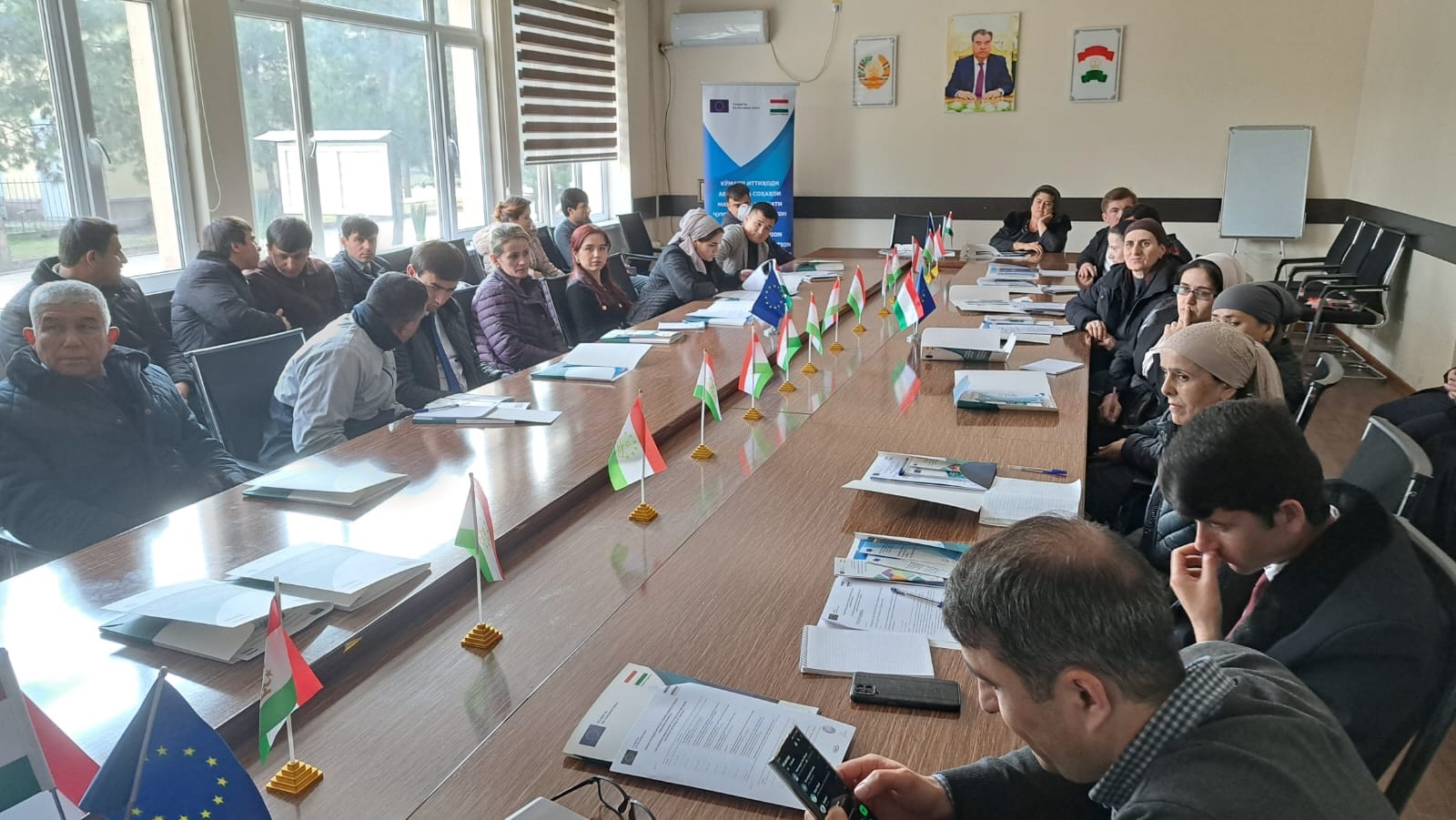
submitted to the workshop of the
Ministry of Education and Science of the Republic of Tajikistan
Building Leadership Capacity for AI Integration
Sarob, Republic of Tajikistan
17 – 18 May 2025
Contact Information:
📧 info_qesp2pro@eductrade.com
🌐 https://maorif.tj/projects/qesp2/news
This publication was produced with the financial support of the European Union. Its contents are the sole responsibility of the consortium led by Eductrade and do not necessarily reflect the views of the European Union.
Executive Summary
This report outlines ten low-cost pilot projects designed to build crucial Artificial Intelligence (AI) leadership capacity within the Ministry of Education and Science (MoES) of Tajikistan. As Tajikistan advances its national AI strategy and digital transformation agenda for the education sector, the ability of its leadership to strategically guide, ethically govern, and effectively implement AI initiatives becomes paramount. These pilot projects are conceived as foundational steps to empower MoES officials with the necessary competencies to navigate the complexities and harness the opportunities presented by AI.
The proposed initiatives are diverse, addressing key facets of AI leadership, including the development of robust AI policies and ethical frameworks, fostering strategic foresight, enabling effective engagement with international partners and local innovators, and strategizing for the upskilling of the education workforce. Each project is designed to be resource-efficient, leveraging open-source materials, existing partnerships, and collaborative approaches to minimize costs while maximizing impact. The overarching aim is to cultivate a cadre of leaders within the MoES who are not only AI-literate but are also capable of championing human-centered, equitable, and innovative AI integration in Tajikistan's education system. Successful implementation of these pilots can yield significant long-term benefits, positioning Tajikistan to effectively utilize AI for enhanced educational outcomes, improved administrative efficiency, and the achievement of its broader national development goals.
List of content
Cultivating Artificial Intelligence Leadership: Ten Low-Cost Pilot Projects for the Ministry of Education and Science of Tajikistan 1
Executive Summary 2
Setting the Stage: AI in Tajikistan's Education Sector 5
B. The Ministry of Education and Science: Role, Readiness, and Digital Transformation Policies 6
Defining AI Leadership Capacity for the Ministry of Education and Science 8
B. Differentiating Strategic, Policy, and Operational AI Leadership Roles within MoES 10
Ten Low-Cost Pilot Projects for Building AI Leadership Capacity 11
Project 1: AI Policy & Ethics Roundtable Series for Strategic Leaders 11
Project 2: "AI for Education" Policy Sprint for Policy Leaders 11
Project 3: Leveraging Free Online AI Literacy Courses for MoES Staff (Foundational Tier) 12
Project 4: "AI in Our Schools" - Needs Assessment & Strategy Workshop for Operational 13
Project 5: Developing an Ethical AI in Education Charter (Participatory Approach) 14
Project 6: "AI for Educators" - Train-the-Strategist Program for MoES Leaders 14
Project 7: International AI in Education Knowledge Exchange (Virtual Series) 15
Project 8: AI Solution Showcase & Local Innovator Dialogue 16
Project 9: "Future of Learning in Tajikistan" - AI Scenario Planning Workshop 17
Project 10: AI for Educational Management Systems (EMS) - A Scoping Study 17
Enabling Success: Critical Factors for Pilot Implementation and Scalability 20
A. Leveraging International Collaborations and Open Resources 20
B. Integrating Ethical Principles and Ensuring Inclusive AI Governance 20
C. Framework for Monitoring, Evaluation, Learning (MEL), and Future Scaling 21
Conclusion: Charting a Course for Sustained AI Leadership in Tajik Education 23
Setting the Stage: AI in Tajikistan's Education Sector
A. Overview of National AI Aspirations and Current Realities
Tajikistan has demonstrated considerable ambition in the realm of Artificial Intelligence, positioning itself as a forward-thinker in Central Asia. The adoption of the National AI Development Strategy in 2021, with a vision extending to 2040, marked Tajikistan as the first nation in the region to formalize such a comprehensive plan.1This strategy aims to weave AI into the fabric of key economic sectors, foster a skilled workforce for the digital economy, and ultimately enhance the nation's international competitiveness.1 A significant target within this strategy is for AI to contribute up to 5% of the country's Gross Domestic Product (GDP) by 2040.2
Despite this early strategic lead, the journey of implementation has been characterized by gradual progress.3Tangible steps include the initiation of pilot AI education programs, initially in five schools and subsequently expanded to ten. These programs focus on AI fundamentals, with a broader plan to introduce this subject across all schools by 2026.2 International collaborations are recognized as pivotal. Agreements have been forged with China concerning AI development, cloud computing, and big data technologies.1 Furthermore, partnerships with global technology leaders like NVIDIA aim to adapt AI infrastructure to local data requirements and provide educational resources through its Deep Learning Institute, while companies such as Huawei are involved in developing telecommunications and data processing infrastructure.1 The domestic landscape is also witnessing the emergence of local AI startups, including zehn.ai and zypl.ai.1 Adding to its international profile, Tajikistan has presented a resolution on AI to the United Nations, proposing the establishment of a Regional Artificial Intelligence Center in Central Asia.4
However, these commendable ambitions encounter the practical challenge of existing infrastructure. While Tajikistan's proactive policy-making and international engagement signal strong political will, the foundational requirement for widespread AI deployment—robust, accessible, and affordable digital infrastructure—remains underdeveloped. Internet penetration, for instance, stood at 41% in early 2023. Although an improvement from 26% in 2020, it lags significantly behind neighboring countries like Kazakhstan, where penetration exceeds 90%. Moreover, internet access in Tajikistan is often expensive and ranks among the slowest globally.5 This disparity creates a noticeable gap between the nation's strategic AI objectives and its current capacity to execute these goals efficiently across the education sector. The early school pilots, while positive, are limited in their immediate scale and impact due to these underlying constraints.2 Consequently, efforts to build AI leadership capacity within the MoES must adopt a pragmatic approach. Initial pilot projects should emphasize strategic understanding, policy formulation, ethical guideline development, and the leveraging of partnerships for knowledge transfer. These areas are less dependent on high-end national digital infrastructure and can build a strong intellectual and governance foundation while advocating for and planning around future infrastructure enhancements.
To provide a consolidated view of the current environment, the following table summarizes key aspects of Tajikistan's AI in education ecosystem:
Table 1: Snapshot of Tajikistan's AI in Education Ecosystem
Feature | Status/Details | Reference(s) |
National AI Strategy | Adopted 2021 (through 2040) | 1 |
MoES Digital Education Policies | National Strategy for Education Development (NSED) 2020-2030, Concept on Transition to Digital Education (CTDE) to 2042 | 5 |
Current AI School Pilots | 10 schools (teaching AI fundamentals) | 2 |
Internet Penetration | 41% (early 2023), expensive, slow | 5 |
Teacher Digital Literacy | Low; few teachers received ICT training in the last 5 years | 5 |
Key International Partnerships | China (AI, cloud, big data), NVIDIA (infrastructure adaptation, educational materials), Huawei (telecoms, data processing) | 1 |
Local AI Initiatives | Startups (e.g., zehn.ai, zypl.ai), AI Academy (TajRupt) | 1 |
UN Engagement | Proposed Regional AI Center in Central Asia | 4 |
This table offers MoES officials a concise overview, grounding subsequent discussions in current realities and facilitating a shared understanding of the strategic context for the proposed pilot projects.
B. The Ministry of Education and Science: Role, Readiness, and Digital Transformation Policies
The Ministry of Education and Science (MoES) serves as the central executive authority responsible for the formulation and implementation of state policy and the regulation of legal norms within the education sector in Tajikistan.7 Its core functions encompass the creation of a conducive regulatory and legal environment for educational institutions, the training of specialists in the field of education, and ensuring comprehensive education coverage for school-age children.7
The digital transformation of Tajikistan's education system is primarily guided by two key policy documents: the National Strategy for Education Development (NSED) 2020-2030 and the Concept on the Transition to Digital Education in the Republic of Tajikistan to 2042 (CTDE).5 Both policies were notably launched during the COVID-19 pandemic, which acted as a catalyst, prompting policymakers to prioritize and expedite the development and implementation of distance and digital education initiatives.5 The CTDE, introduced in 2022, outlines ambitious aims, including improving teachers' qualifications in digital technologies, developing training programs using modern and online technologies, introducing digital educational programs, augmenting technical equipment in educational institutions, and creating a unified digital learning environment.5 The government further underscores its commitment by viewing science and education as strategic national resources, with stated intentions to increase teacher salaries and invest significantly in school infrastructure, including the provision of computer equipment.8
Despite this strong policy direction, the readiness for digital education faces considerable challenges. Most students and teachers in Tajikistan have had limited exposure to distance or digital education modalities.5Access to digital educational resources at the school level is often low and exhibits significant regional disparities.5 Teachers report several barriers to adopting digital tools, including the lack of suitable teaching equipment, perceived lack of student interest, heavy workloads, and a sense of fatigue with ongoing reforms and innovations.5 Furthermore, institutional constraints have been identified, such as the absence of a clear conceptual framework defining educational innovation, inefficiencies in structures responsible for evaluating and implementing innovation, and limitations in funding mechanisms.5
This landscape reveals a disconnect between the forward-looking digital education policies and the on-the-ground realities within schools and among educators. The existence of the NSED and CTDE demonstrates a clear policy commitment from the highest levels of government.5 However, the reported low levels of teacher digital literacy, insufficient resources, and sentiments of "fatigue with reforms" 5 point to a gap between these policy ambitions and the practical capacity for implementation at the grassroots level. This situation suggests a critical need for MoES leadership to extend its role beyond policy formulation to include active strategizing, championing, and meticulous oversight of the effective translation of these policies into tangible practice. Such leadership must address teacher concerns, ensure appropriate resource allocation, and cultivate an environment that is genuinely enabling for innovation. Therefore, building AI leadership capacity within the MoES should equip officials with robust skills in change management, strategic communication, and effective program design. These competencies are essential to bridge the existing policy-practice gap, particularly as the introduction of AI is poised to introduce further complexities and demands on the education system. Pilot projects aimed at leadership development should, therefore, incorporate components that help MoES leaders understand these implementation challenges, design realistic rollout strategies for AI initiatives, and communicate the vision and benefits effectively to educators to mitigate resistance and reform fatigue.
Defining AI Leadership Capacity for the Ministry of Education and Science
A. Essential Competencies for Navigating the AI Era in Education
Effective AI leadership in the education sector extends beyond mere technical expertise. It fundamentally involves the ability to pose critical questions, foster productive dialogue across diverse stakeholder groups, and guide AI integration with a clear, informed, and purposeful vision.10 AI is distinct from other digital technologies due to its profound potential to reshape societies and education systems, presenting unique ethical and social challenges related to fairness, transparency, privacy, and accountability.11
Adapting from established international frameworks and expert guidance 10, several core competencies emerge as essential for MoES leadership:
• AI Literacy & Strategic Understanding: This involves a solid comprehension of what AI is, its capabilities, potential applications, and inherent limitations within the educational context.10 Leaders must understand how AI aligns with, and can contribute to, broader national education and development goals.13 This also includes recognizing AI's unique societal impact compared to conventional ICTs.11
• Ethical and Responsible AI Governance: Leadership must champion a cautious and principled approach to AI adoption. This includes a deep understanding of data privacy concerns, the potential for algorithmic bias, and the importance of transparency and accountability in AI systems.10 Promoting a human-centered mindset that prioritizes human agency, social responsibility, and ethical considerations is paramount.11
• Data-Informed Decision Making: The ability to effectively use data, including insights generated or augmented by AI tools, is crucial for sound policy development, strategic planning, and resource allocation in education.10
• AI Policy Development and Strategic Planning: Leaders must be capable of creating, adapting, and overseeing the implementation of AI policies tailored to the education sector. This includes setting clear, measurable goals for AI integration and ensuring these plans are strategically sound.10
• Fostering Innovation and Change Management: Creating an enabling environment that encourages the adoption of AI requires proactive leadership. This includes managing potential resistance to change, communicating the vision and benefits of AI clearly and consistently, and fostering a culture of innovation and experimentation.9
• Partnership and Collaboration: Building and nurturing effective relationships with a diverse range of stakeholders—including technology providers, academic institutions, international organizations, and the local AI ecosystem—is vital for accessing expertise, resources, and support for AI initiatives.12
• Staff Upskilling Strategy: Recognizing the critical need for AI literacy and skills among educators and administrative staff, leaders must be able to strategize and oversee the development and implementation of effective upskilling programs.10
The rapid and continuous evolution of Artificial Intelligence 13 means that knowledge about specific AI tools and applications can quickly become outdated. Therefore, a critical leadership competency transcends familiarity with current AI trends; it encompasses the inherent ability and proactive mindset to continuously learn, adapt, and stay informed about emerging AI developments and their multifaceted implications for the education sector. This "meta-skill" involves knowing where to access reliable and current information on AI, how to critically evaluate new technological advancements, and, importantly, how to cultivate a culture of ongoing learning and adaptation within the Ministry itself. Developing this adaptive learning capacity is crucial for ensuring that AI leadership development is sustainable and effective in the long term, enabling the MoES to navigate the dynamic AI landscape proactively rather than reactively. Pilot projects should therefore aim to build this capacity, for instance, by introducing leaders to reputable sources of AI information, establishing communities of practice for shared learning, or embedding "future-thinking" exercises into workshops.
The following table outlines core AI leadership competencies specifically tailored for MoES officials, providing a clear framework for the proposed pilot projects:
Table 2: Core AI Leadership Competencies for MoES Officials
Competency | Description | Adapted From |
1. Strategic AI Vision & Literacy | Understanding AI's potential/risks in education; aligning AI with national education goals. | 10 |
2. Ethical AI Governance & Policy | Developing/overseeing policies for responsible, human-centered AI use, addressing bias, privacy, and transparency. | 10 |
3. Data-Driven Educational Leadership | Leveraging data (incl. AI insights) for informed policy, resource allocation, and system improvement. | 10 |
4. AI-Enhanced Pedagogical Strategy | Understanding how AI can support teaching and learning innovation; guiding curriculum adaptation for AI literacy and AI-assisted learning. | 10 |
5. Change Management & Stakeholder Engagement | Leading AI adoption effectively, communicating vision clearly, managing resistance, and fostering collaboration among all stakeholders (teachers, students, parents, community). | 10 |
6. Partnership & Resource Mobilization | Identifying and leveraging local/international partnerships (public, private, academic) and resources for AI initiatives. | 12 |
7. Continuous Learning & Future Foresight | Proactively staying abreast of AI advancements, anticipating future educational needs, and fostering an adaptive learning culture within the Ministry. | (New) |
This framework ensures that the pilot projects are targeted and relevant, grounding the capacity-building effort in international best practices while maintaining local relevance for Tajikistan's MoES.
B. Differentiating Strategic, Policy, and Operational AI Leadership Roles within MoES
Leadership is not a monolithic concept; different roles within the Ministry of Education and Science necessitate distinct facets of AI leadership. A one-size-fits-all approach to capacity building may prove inefficient or ineffective. Therefore, while a foundational level of AI literacy is common to all, pilot projects should, where feasible, be tailored or offer specialized tracks to address the unique responsibilities and decision-making contexts of strategic, policy, and operational leaders. This differentiation ensures that the acquired competencies are directly applicable and maximally impactful across the Ministry's structure.
• Strategic Leaders (e.g., Minister, Deputy Ministers, Key Department Heads): This group's focus is on the long-term vision for AI in education, ensuring alignment with national strategies (such as the National AI Development Strategy and broader modernization agendas mentioned in 13), securing necessary resources, cultivating high-level national and international partnerships, and championing the ethical deployment of AI across the sector. Their role is to set the overall direction and create the enabling conditions for AI adoption.
• Policy Leaders (e.g., Heads of Policy Departments, Curriculum Development Units, Legal Affairs):These leaders are responsible for translating the strategic vision into actionable policies and robust regulatory frameworks. Their work involves developing specific AI integration guidelines for schools, adapting curriculum frameworks to incorporate AI literacy and AI-assisted learning, establishing clear ethical standards and data governance protocols, and defining teacher competency frameworks related to AI. The AI Task Force recommendations for the Massachusetts Department of Elementary and Secondary Education (DESE), which included creating resources and guidance, offer a parallel for this role.16
• Operational Leaders (e.g., Heads of ICT Departments, Regional Education Directors, Heads of Teacher Training Institutes): This group is tasked with the practical implementation of AI policies and initiatives. Their responsibilities include overseeing pilot projects, managing the deployment and maintenance of AI tools and infrastructure (as it becomes available), designing and delivering teacher professional development programs, monitoring the impact of AI interventions, and ensuring that initiatives are effectively rolled out at the regional and institutional levels. The shift to blended learning for teacher professional development (TPD) in Tajikistan, supported by USAID, which required platforms for content delivery and monitoring, illustrates the type of operational oversight needed.19
By recognizing these distinct roles, capacity-building efforts can be more targeted, ensuring that each level of leadership within the MoES is equipped with the specific AI knowledge and skills required to effectively contribute to Tajikistan's educational transformation in the age of AI.
Ten Low-Cost Pilot Projects for Building AI Leadership Capacity
The following ten pilot projects are designed to be low-cost, high-impact initiatives to build foundational AI leadership capacity within Tajikistan's Ministry of Education and Science. Each project targets specific leadership groups and competencies, leveraging readily available resources and collaborative approaches.
Project 1: AI Policy & Ethics Roundtable Series for Strategic Leaders
• Objective: To build foundational understanding of AI's strategic implications, ethical considerations, and policy challenges in education among top MoES leadership.
• Target Leadership Group: Minister, Deputy Ministers, Heads of key MoES departments.
• Key Activities:
• A series of 3-4 facilitated roundtables, each lasting 2-3 hours. These can be conducted virtually to minimize logistical costs.
• Invitation of guest speakers via video link from international organizations like UNESCO, World Bank, UNDP, or from countries with relevant experience in AI and education, such as Kazakhstan or Estonia.20
• Systematic review and in-depth discussion of existing international frameworks and guidance documents. This includes UNESCO's "Artificial intelligence and education: Guidance for policy-makers" 21, the UNESCO AI Competency Frameworks for students and teachers 11, and established principles of ethical AI governance focusing on algorithmic bias, data privacy, transparency, and accountability.14
• Analysis of case studies detailing AI in education policy development and implementation from other developing countries, drawing lessons applicable to Tajikistan.20
• Potential Low-Cost Resources/Tools/Partnerships: Freely available publications from UNESCO, World Bank, and UNDP 18; virtual meeting platforms (e.g., Zoom, Microsoft Teams); leveraging existing partnerships, such as with NVIDIA for expert insights on AI trends 1, or engaging with local expertise from institutions like the AI Academy established by TajRupt.6
• Expected Outcomes & Impact on Leadership Capacity: Enhanced strategic understanding of AI's relevance and potential impact on the education sector; identification of key policy areas requiring immediate attention and long-term planning; development of foundational knowledge for effective ethical oversight of AI initiatives. This project directly builds Competencies 1 (Strategic AI Vision & Literacy), 2 (Ethical AI Governance & Policy), and 7 (Continuous Learning & Future Foresight).
• Brief Implementation Considerations: Requires strong, experienced facilitation to guide discussions effectively; preparatory reading materials should be circulated well in advance to ensure informed participation.
Project 2: "AI for Education" Policy Sprint for Policy Leaders
• Objective: To collaboratively draft a foundational AI in Education Policy document or a set of actionable guidelines for Tajikistan, ensuring alignment with the existing Concept on the Transition to Digital Education (CTDE) and the National Strategy for Education Development (NSED).
• Target Leadership Group: Heads of Policy Departments, Curriculum Development Units, and Legal Affairs within the MoES.
• Key Activities:
• An intensive 2-3 day workshop, or alternatively, a series of shorter, focused workshops spread over a few weeks.
• Utilization and adaptation of AI policy development toolkits and frameworks, such as principles from the Microsoft Education AI Toolkit 24 or guidance on stakeholder engagement and risk mitigation from state-level initiatives.16
• Thorough review of Tajikistan's current national education policies (CTDE, NSED 5) to ensure the new AI policy is coherent and complementary.
• Focused deliberations on critical areas including student data privacy, ethical use of AI tools in classrooms and administration, requirements for teacher training in AI, and the implications of AI for student assessment methodologies.15
• Collaborative drafting of initial policy statements, guidelines, and recommendations.
• Potential Low-Cost Resources/Tools/Partnerships: Open-source policy templates and examples from other educational jurisdictions 16; UNESCO's guidance documents on AI in education 21; a skilled local facilitator, potentially sourced from TajRupt 6, a local university, or an NGO with policy expertise; free collaborative writing and document management tools (e.g., Google Docs, Microsoft OneDrive).
• Expected Outcomes & Impact on Leadership Capacity: A tangible draft AI in Education policy or guideline document tailored to Tajikistan's context; enhanced capacity among policy leaders in AI policy formulation, inter-departmental collaboration, and stakeholder consultation processes. This project builds Competencies 2 (Ethical AI Governance & Policy) and 4 (AI-Enhanced Pedagogical Strategy).
• Brief Implementation Considerations: Requires clear terms of reference for the policy sprint and the establishment of a dedicated drafting team to refine and finalize the document post-workshop.
Project 3: Leveraging Free Online AI Literacy Courses for MoES Staff (Foundational Tier)
• Objective: To provide a baseline understanding of Artificial Intelligence concepts, applications, and implications for a broader group of MoES managers and specialists, fostering a common language and awareness across the Ministry.
• Target Leadership Group: Mid-level managers and specialists across various MoES departments.
• Key Activities:
• Curate a selective list of high-quality, reputable, and free introductory AI courses. Examples include general "AI for Everyone" type courses available on platforms like Coursera or edX, the free AI and Career Empowerment Certificate offered by the University of Maryland's Smith School of Business 25, or foundational courses from the Commonwealth AI Academy.27
• Organize small, manageable cohorts of MoES staff to undertake a selected course concurrently.
• Facilitate periodic discussion groups (these can be virtual or in-person, depending on feasibility) for cohorts to share learnings, discuss challenges, and contextualize course content.
• Conclude with a final workshop or session focused on applying the acquired knowledge to the specific context of Tajikistan's education system and MoES operations.
• Potential Low-Cost Resources/Tools/Partnerships: Abundant free online courses from universities and organizations 25; utilization of internal MoES staff (e.g., those with some prior AI exposure or strong facilitation skills) to lead discussion groups and the final contextualization workshop.
• Expected Outcomes & Impact on Leadership Capacity: Increased AI awareness and basic literacy across a wider segment of MoES staff; identification of individuals with a particular aptitude or interest who could be candidates for more advanced AI roles or training. This project primarily builds Competency 1 (Strategic AI Vision & Literacy).
• Brief Implementation Considerations: Requires careful selection of courses appropriate for the target audience's existing knowledge level and time availability; strategies to motivate staff participation and ensure course completion will be important.
Project 4: "AI in Our Schools" - Needs Assessment & Strategy Workshop for Operational Leaders
• Objective: To equip operational leaders with the skills and frameworks to assess AI-related needs at the school and regional levels, and to develop practical, context-sensitive AI integration strategies, particularly considering existing infrastructure limitations.
• Target Leadership Group: Regional Education Directors, Heads of ICT departments, leaders from Teacher Training Institutes, and other relevant operational units.
• Key Activities:
• A workshop focused on methodologies for assessing the current digital readiness of schools, potentially drawing on existing data or adapting frameworks similar to those used in studies of Tajikistan's digital education landscape.5
• Exploration and discussion of low-bandwidth AI solutions and offline-capable AI tools that are viable in environments with limited or unreliable internet connectivity.28
• Collaborative development of criteria for selecting, piloting, and evaluating AI tools that are appropriate for the diverse contexts of Tajik schools.
• Brainstorming and outlining practical strategies for supporting teachers in effectively and ethically using AI tools in their pedagogical practices and administrative tasks.10
• Potential Low-Cost Resources/Tools/Partnerships: Existing MoES data on school ICT infrastructure and teacher digital skills; publicly available case studies of AI implementation in low-resource educational settings 30; open-source or adaptable assessment tools and checklists for digital readiness.
• Expected Outcomes & Impact on Leadership Capacity: Development of a practical framework for conducting AI needs assessments in schools; formulation of draft strategies for a phased and context-appropriate adoption of AI tools; a clearer understanding of the specific support and training needs of teachers. This project builds Competencies 3 (Data-Driven Educational Leadership), 4 (AI-Enhanced Pedagogical Strategy), and 5 (Change Management & Stakeholder Engagement).
• Brief Implementation Considerations: May involve collecting some pre-workshop data on school readiness to inform discussions; ensuring representation from diverse regions within Tajikistan will be beneficial.
Project 5: Developing an Ethical AI in Education Charter (Participatory Approach)
• Objective: To create a MoES-endorsed charter that clearly articulates ethical principles for the development, deployment, and use of Artificial Intelligence in Tajikistan's education system, thereby fostering a human-centered and equitable approach.
• Target Leadership Group: A cross-departmental team comprising policy and operational leaders, with structured opportunities for input from teachers, students, and potentially parents.
• Key Activities:
• A series of workshops designed to facilitate discussion and deliberation on key ethical dilemmas and considerations pertinent to AI in education. Topics should include algorithmic bias, data privacy and security (especially concerning student data), student agency and autonomy, equitable access to AI tools and benefits, and the transparency of AI systems.11
• Review and adaptation of internationally recognized frameworks, such as UNESCO's Recommendation on the Ethics of Artificial Intelligence 21 and other relevant ethical guidelines and codes of conduct from educational and technology sectors.15
• Collaborative drafting sessions for the Charter, with iterative feedback loops to incorporate perspectives from a wider range of stakeholders (e.g., through online surveys for teachers, focus groups with students where appropriate).
• Potential Low-Cost Resources/Tools/Partnerships: UNESCO's ethical guidelines and publications 11; examples of AI ethics charters or frameworks from other education systems or public sector organizations; free online survey tools (e.g., Google Forms, SurveyMonkey free tier) for broader stakeholder consultation.
• Expected Outcomes & Impact on Leadership Capacity: A published and disseminated Ethical AI in Education Charter for Tajikistan; increased awareness, understanding, and commitment to ethical AI principles among MoES leadership and the wider education community. This project directly builds Competency 2 (Ethical AI Governance & Policy).
• Brief Implementation Considerations: Requires a genuine commitment to a participatory process to ensure buy-in and relevance; clear communication strategies for disseminating the final charter and integrating its principles into practice will be essential.
Project 6: "AI for Educators" - Train-the-Strategist Program for MoES Leaders
• Objective: To build the capacity of MoES leaders responsible for teacher development in designing, overseeing, and scaling effective and sustainable AI-focused professional development programs for teachers across Tajikistan.
• Target Leadership Group: Leaders and key personnel from Teacher Training Departments, Curriculum Development Units, Human Resources, and institutions responsible for in-service and pre-service teacher education.
• Key Activities:
• In-depth analysis of current teacher digital competency levels and specific AI-related training needs in Tajikistan, referencing existing studies and data.5
• Comprehensive review of international best practices and successful models for teacher AI training, including pedagogical approaches to teaching about and with AI.10
• Exploration of various low-cost and scalable Teacher Professional Development (TPD) models, such as peer-led workshops, the utilization of Open Educational Resources (OERs) for AI training content 32, and blended learning approaches combining online modules with practical application.19
• Collaborative development of a strategic framework or roadmap for AI teacher training in Tajikistan, outlining priorities, phases, potential content areas, and evaluation mechanisms.
• Potential Low-Cost Resources/Tools/Partnerships: UNESCO AI Competency Framework for Teachers 11 as a foundational guide; insights and materials from the Commonwealth of Learning's "Teacher-in-the-Loop AI" project, which focuses on empowering teachers to use GenAI with OERs 32; leveraging existing TPD platforms or infrastructure within Tajikistan if available, or exploring low-cost learning management systems.
• Expected Outcomes & Impact on Leadership Capacity: A well-defined strategic plan and roadmap for national teacher AI professional development; MoES leaders equipped with the knowledge and strategic thinking skills to guide and manage effective TPD initiatives in AI. This project builds Competencies 4 (AI-Enhanced Pedagogical Strategy), 5 (Change Management & Stakeholder Engagement), and 7 (Continuous Learning & Future Foresight).
• Brief Implementation Considerations: The initial focus is on strategic planning and capacity building for TPD strategists within the MoES, not the direct delivery of training to all teachers at this pilot stage.
Project 7: International AI in Education Knowledge Exchange (Virtual Series)
• Objective: To expose MoES leaders to a diverse range of international best practices, innovative approaches, lessons learned, and potential collaborative partners in the field of AI for education.
• Target Leadership Group: Open to all interested MoES leaders from strategic, policy, and operational levels.
• Key Activities:
• Organize a recurring (e.g., monthly or bi-monthly) virtual seminar or webinar series.
• Invite distinguished speakers from leading international organizations such as UNESCO (which offers programs like the Global Training on AI for the Public Sector 33 and courses via IIEP 35), the World Bank (with its EdTech resources and AI research 23), UNDP (offering the "AI for Government" program 18), and the Commonwealth of Learning (with initiatives like the AI Academy 27 and Teacher-in-the-Loop AI 32).
• Include representatives from countries that have made notable progress or offer relevant experiences in AI in education, such as Estonia 20, or other Central Asian nations for regional perspectives.2
• Structure sessions around practical case studies, policy implementation challenges, successful low-cost solutions, and ethical considerations.
• Potential Low-Cost Resources/Tools/Partnerships: Standard video conferencing platforms; leveraging existing diplomatic channels, institutional memberships, or established partnerships (e.g., with UN agencies) to invite speakers at no or minimal cost.
• Expected Outcomes & Impact on Leadership Capacity: Broadened perspectives among MoES leaders on the global landscape of AI in education; identification of potential collaborative projects, adaptable models, and valuable resources; enhanced global awareness and networking opportunities. This project builds Competencies 1 (Strategic AI Vision & Literacy), 6 (Partnership & Resource Mobilization), and 7 (Continuous Learning & Future Foresight).
• Brief Implementation Considerations: Requires proactive outreach, careful scheduling of international speakers across time zones, and clear thematic focus for each seminar to ensure relevance.
Project 8: AI Solution Showcase & Local Innovator Dialogue
• Objective: To connect MoES leaders with Tajikistan's local AI talent, startups, and research initiatives, fostering an understanding of domestic capabilities and exploring potential for public-private partnerships to address specific educational challenges.
• Target Leadership Group: Strategic and operational leaders, particularly those in ICT, innovation, procurement, and curriculum development departments.
• Key Activities:
• Organize a small-scale, focused event (e.g., a half-day showcase or roundtable).
• Invite local AI companies, startups (such as TajRupt/AI Academy 6, zypl.ai, zehn.ai 1), university research groups, and individual innovators to present their work, especially solutions that could be relevant to the education sector.
• Facilitate a structured dialogue session where MoES representatives can articulate specific needs and challenges, and local innovators can discuss how their expertise or solutions might contribute.
• Explore possibilities for small, well-defined pilot collaborations on specific educational problems that could be addressed by local AI solutions.
• Potential Low-Cost Resources/Tools/Partnerships: Utilization of MoES meeting venues; inviting local innovators (who are often keen for opportunities to present their work to government bodies and potential partners).
• Expected Outcomes & Impact on Leadership Capacity: Increased awareness within MoES of the local AI ecosystem and its potential; identification of opportunities for mutually beneficial local partnerships; insights into context-specific AI solutions developed or adaptable for Tajikistan. This project directly builds Competency 6 (Partnership & Resource Mobilization).
• Brief Implementation Considerations: Requires thorough mapping of the local AI landscape to identify relevant innovators; careful structuring of the event to ensure a productive dialogue rather than just presentations.
Project 9: "Future of Learning in Tajikistan" - AI Scenario Planning Workshop
• Objective: To develop MoES leaders' capacity in strategic foresight, enabling them to anticipate and plan for the long-term impacts of Artificial Intelligence on Tajikistan's education system.
• Target Leadership Group: Strategic and policy leaders within the MoES.
• Key Activities:
• A facilitated workshop employing established scenario planning methodologies.
• Guided exploration of various potential impacts of AI on critical aspects of education in Tajikistan over the next 10-15 years. This timeframe aligns with the long-term vision of policies like the CTDE to 2042.5 Areas for exploration should include curriculum content and design, pedagogical approaches, the evolving roles of teachers, student assessment methods, equity considerations, and the skills needed for future learners.
• Identification of key uncertainties, potential disruptors, and strategic choices that the MoES will need to navigate in an AI-influenced future.
• Potential Low-Cost Resources/Tools/Partnerships: Publicly available scenario planning guides and toolkits (many can be found online from strategic foresight organizations); an experienced facilitator (this could be an internal MoES staff member with relevant skills, or a low-cost external consultant or academic).
• Expected Outcomes & Impact on Leadership Capacity: Enhanced strategic thinking, foresight, and long-range planning skills among MoES leaders; identification of key long-term priorities for AI integration in education; valuable inputs for future revisions or updates to the NSED and CTDE. This project builds Competencies 1 (Strategic AI Vision & Literacy) and 7 (Continuous Learning & Future Foresight).
• Brief Implementation Considerations: Success depends heavily on skilled facilitation and the active, creative participation of leaders in envisioning diverse future scenarios.
Project 10: AI for Educational Management Systems (EMS) - A Scoping Study
• Objective: To build leadership understanding of how AI can enhance existing or future Educational Management Systems (EMS) for improved data-driven decision-making, administrative efficiency, and effective monitoring and evaluation, commencing with a low-cost scoping study.
• Target Leadership Group: Leaders and key personnel in ICT, Planning, Monitoring & Evaluation (M&E), and statistics departments within the MoES.
• Key Activities:
• Comprehensive review of the current EMS capabilities, data collection processes, and data management practices within the MoES and its affiliated institutions.
• Research and analysis of case studies detailing the application of AI in EMS in other developing countries and relevant contexts. Examples include South Korea's National Education Information System (NEIS) for reducing administrative burdens 22, and World Bank observations on AI's potential for tracking student performance and managing resources.37
• Identification of 2-3 high-potential, low-cost, and contextually relevant AI applications that could be integrated into Tajik EMS. Examples might include enhanced data analytics for identifying trends, early warning systems for student attrition, or optimization tools for resource allocation.
• Development of a concise report summarizing findings and providing clear recommendations for a potential future pilot project to test one of the identified AI-EMS applications.
• Potential Low-Cost Resources/Tools/Partnerships: Existing MoES documentation on current EMS and data systems; publicly available international case studies, reports, and best practice guides on AI in public administration and education management 22; seeking non-financial technical advice or insights from partners like the World Bank, which has expertise in education system management.37
• Expected Outcomes & Impact on Leadership Capacity: A better understanding among relevant MoES leaders of AI's potential to transform educational management; a clear, evidence-informed proposal for a future, targeted AI-EMS pilot project; enhanced capacity for data-driven decision-making and strategic planning related to educational data. This project builds Competencies 3 (Data-Driven Educational Leadership) and 6 (Partnership & Resource Mobilization).
• Brief Implementation Considerations: The primary focus at this stage is on research, analysis, and strategic planning rather than actual system development or procurement, keeping costs minimal.
The following table provides a consolidated overview of the ten proposed pilot projects:
Table 3: At-a-Glance: 10 Low-Cost Pilot Projects for AI Leadership Capacity
Project Title | Primary Objective | Target MoES Group(s) | Est. Cost Category | Key Low-Cost Resource Type(s) |
1. AI Policy & Ethics Roundtable Series | Foundational understanding of AI strategy, ethics, policy | Strategic Leaders | Very Low | Int'l org. publications, virtual meetings, expert webinars |
2. "AI for Education" Policy Sprint | Draft foundational AI in Education Policy/Guidelines | Policy Leaders | Low | Open-source toolkits, int'l guidance, local facilitator |
3. Leveraging Free Online AI Literacy Courses | Baseline AI literacy for broader MoES staff | Mid-level Managers, Specialists | Very Low | Free online courses (MOOCs), internal discussion groups |
4. "AI in Our Schools" Needs Assessment & Strategy Workshop | Assess school-level AI needs, develop practical integration strategies | Operational Leaders | Low | MoES data, low-bandwidth AI case studies, open assessment tools |
5. Developing an Ethical AI in Education Charter | Create MoES-endorsed ethical principles for AI in education | Cross-departmental Leaders | Low | UNESCO guidelines, online surveys, participatory workshops |
6. "AI for Educators" - Train-the-Strategist Program | Design strategy for scalable AI professional development for teachers | Teacher Training, Curriculum, HR Leaders | Low | UNESCO frameworks, OERs, TPD best practices |
7. International AI in Education Knowledge Exchange | Expose leaders to int'l best practices, partners, low-cost solutions | All interested MoES Leaders | Very Low | Virtual seminars, int'l org. speakers, diplomatic channels |
8. AI Solution Showcase & Local Innovator Dialogue | Connect MoES with local AI talent and context-specific solutions | Strategic, Operational (ICT, Innovation) Leaders | Very Low | MoES venue, local innovator participation |
9. "Future of Learning in Tajikistan" - AI Scenario Planning | Develop strategic foresight for AI's long-term impact on education | Strategic, Policy Leaders | Low | Online scenario planning guides, facilitator |
10. AI for EMS - Scoping Study | Understand AI's potential for enhancing Educational Management Systems | ICT, Planning, M&E Leaders | Low | Public case studies, partner expertise (e.g., World Bank) |
This table allows for a quick comparison, facilitating prioritization based on immediate needs and resource availability, reinforcing the low-cost, feasible nature of these foundational initiatives.
Enabling Success: Critical Factors for Pilot Implementation and Scalability
The successful implementation and eventual scaling of these pilot projects hinge on several critical enabling factors. These include the strategic leveraging of international collaborations and open resources, unwavering commitment to ethical principles and inclusive AI governance, and a robust framework for monitoring, evaluation, learning, and future scaling.
A. Leveraging International Collaborations and Open Resources
Tajikistan's MoES can significantly amplify the impact of its AI leadership capacity-building efforts by systematically identifying and utilizing the wealth of free and low-cost resources offered by international organizations. Institutions such as UNESCO provide invaluable assets like the AI Competency Frameworks for Teachers and Students 11, guidance on AI for the Public Sector including training programs 33, and specialized courses through the International Institute for Educational Planning (IIEP).35 The World Bank offers EdTech toolkits, research on AI in education, and advisory services pertinent to developing countries.23The United Nations Development Programme (UNDP) has developed an "AI for Government" program and provides digital guides that can inform public sector AI strategies.18 Similarly, the Commonwealth of Learning offers resources through its AI Academy and insights from projects like the "Teacher-in-the-Loop AI" initiative.27
Beyond these multilateral organizations, proactive engagement with existing bilateral partners, such as NVIDIA and China 1, can unlock specific expertise, technical support, or even modest funding for pilot projects. Furthermore, exploring knowledge-sharing and collaborative opportunities with regional counterparts, including Kazakhstan and Uzbekistan, who are also advancing their AI in education agendas 3, can provide contextually relevant insights and shared learning experiences.
A scattergun approach to such partnerships, however, can be inefficient. A more strategic methodology involves carefully mapping the specific capacity-building needs of the MoES—as identified through the proposed pilot projects and competency gap analyses—to the distinct strengths and offerings of various international and local partners. For instance, UNESCO's expertise in ethical frameworks and teacher competencies 11 aligns well with projects focused on these areas. The World Bank can offer guidance on EdTech monitoring and evaluation and infrastructure development 37, while UNDP's resources are valuable for public sector AI governance.18 Locally, institutions like the AI Academy founded by TajRupt 6 can provide contextualized training and insights. This ensures that partnerships are purposeful, demand-driven, and contribute directly and sustainably to building AI leadership capacity.40 To manage this effectively, the MoES might consider establishing a small, dedicated team or assigning a focal point to actively coordinate these partnerships, ensuring alignment with national priorities and maximizing the benefits derived from each collaboration. This coordination itself represents an important leadership capacity.
B. Integrating Ethical Principles and Ensuring Inclusive AI Governance
A steadfast commitment to ethical principles and inclusive AI governance must underpin all AI initiatives within the MoES. It is crucial that all pilot projects, and any subsequent scaled-up programs, adhere to the principles that will be developed in Project 5 (Developing an Ethical AI in Education Charter) and align with international best practices for responsible AI.14 This necessitates a proactive, rather than reactive, approach to ethical considerations.
The MoES should prioritize a human-centered approach to AI, ensuring that technology serves to augment human capabilities, promote equity, and uphold human dignity, rather than replacing human judgment or exacerbating existing inequalities.11 Specific attention must be paid to mitigating the risks of algorithmic bias, which can perpetuate or even amplify societal inequities if AI systems are trained on biased data or designed without fairness considerations.15 Robust data privacy measures, particularly concerning sensitive student data, are non-negotiable.15 Furthermore, all AI initiatives must consciously address the digital divide, ensuring that the benefits of AI do not accrue only to those with privileged access to technology and connectivity, thereby widening existing gaps.16
Addressing ethical issues and biases after AI systems have been deployed can be exceptionally costly, both financially and in terms of public trust.14 Ethical considerations such as bias, privacy, and fairness are not optional add-ons but are integral to the responsible design, development, and deployment of AI systems.15Failure to address these proactively can lead to the implementation of ineffective or harmful AI systems, potential public backlash, and the subsequent need for expensive remediation, system overhauls, or even abandonment of initiatives. By investing time and resources in developing strong ethical frameworks, like the proposed Charter, and cultivating ethical awareness among leadership from the outset, the MoES can significantly mitigate these future risks. This early and deliberate focus on ethical governance is, in itself, a low-cost strategy to prevent much higher future costs associated with unethical or biased AI implementations, embodying the principle of "leading with caution and care".10
C. Framework for Monitoring, Evaluation, Learning (MEL), and Future Scaling
To ensure that the pilot projects yield meaningful results and inform future strategy, a clear and practical Monitoring, Evaluation, and Learning (MEL) framework is essential. For each of the ten proposed pilots, specific, measurable, achievable, relevant, and time-bound (SMART) objectives should be defined, along with key performance indicators (KPIs) that directly relate to the development of AI leadership capacities.
MEL mechanisms should be simple and low-cost, avoiding overly complex or resource-intensive data collection. Examples include pre- and post-pilot surveys to assess changes in knowledge and attitudes, facilitated feedback sessions with participants, and the tracking of action plans or commitments made during the pilots. A core component of the MEL framework should be the fostering of a genuine culture of learning from these pilot experiences. This means systematically capturing insights on what worked effectively, what did not, the underlying reasons for successes and failures, and how approaches can be adapted and improved for the specific context of Tajikistan.20
The pilot projects are, by their nature, learning opportunities. Their value extends beyond immediate outputs to the rich insights they provide for future action. For MoES leadership, the very process of designing, implementing, monitoring, and evaluating these pilots serves as a practical capacity-building exercise in adaptive leadership—learning by doing. This iterative approach is particularly crucial in a rapidly evolving and often uncertain field like AI, where standardized, one-size-fits-all solutions are rare, especially for developing countries. The MEL framework for these pilots should therefore explicitly aim to capture lessons learned about how to effectively build AI leadership capacity within the Tajik MoES. These lessons will inform a more robust, contextually appropriate, and sustainable strategy for the wider scaling of successful initiatives and the continued development of AI leadership across the education sector.
Finally, clear criteria for scaling successful pilot projects should be developed. These criteria must consider the resource implications (personnel, budget, and infrastructure, as highlighted in analyses of public sector capacity costs 42) and ensure that any scaled initiatives remain aligned with Tajikistan's overarching National Strategy for Education Development (NSED) and the Concept on the Transition to Digital Education (CTDE).5
Conclusion: Charting a Course for Sustained AI Leadership in Tajik Education
The strategic imperative for cultivating robust AI leadership within Tajikistan's Ministry of Education and Science cannot be overstated. As the nation progresses with its National AI Development Strategy 1 and the ambitious goals outlined in the NSED and CTDE 5, the capacity of its educational leaders to navigate the AI landscape will be a decisive factor in achieving transformative and equitable educational advancement. The ten low-cost pilot projects proposed in this report offer foundational, practical, and resource-efficient pathways to begin this crucial capacity-building journey.
These initiatives are designed not as definitive solutions, but as catalysts for learning, adaptation, and growth. They aim to equip MoES officials with the essential literacy, ethical grounding, strategic foresight, and collaborative skills necessary to make informed decisions, develop sound policies, and effectively oversee the integration of AI in the education sector. By focusing on building a resilient, adaptable, and ethically-principled AI leadership cadre, Tajikistan can better harness the potential of AI to enhance teaching and learning, improve administrative efficiency, and prepare its students for a future increasingly shaped by intelligent technologies.
The success of these endeavors will rely on the proactive championing of these initiatives by the MoES leadership, a commitment to fostering a culture of innovation and continuous learning within the Ministry, and the strategic leveraging of local and international partnerships. While challenges related to infrastructure and resources are acknowledged, the proposed pilots emphasize human capital development and strategic planning, which can progress even as physical infrastructure is gradually enhanced.
Ultimately, by embarking on this journey of targeted capacity building, the Ministry of Education and Science of Tajikistan can chart a confident course towards a future where AI serves as a powerful tool for educational excellence and contributes significantly to the nation's broader socio-economic development, realizing the visionary aspirations of leaders like Azizjon Azimi for Tajikistan's role in the global tech economy.6 The path ahead requires dedication and adaptability, but the potential rewards—a more dynamic, equitable, and future-ready education system—are immense.
1